RENEWABLE ENERGY
RECOR’s Renewable Energy Program promotes clean, affordable, and sustainable energy solutions to support climate resilience, reduce environmental degradation, and improve livelihoods across Rwanda.
Why It Matters
Renewable energy is a key pillar of Rwanda’s strategy for sustainable development, climate resilience, and universal access to energy. Rwanda has made significant progress in expanding renewable energy sources to reduce dependence on imported fossil fuels and traditional biomass.
The country’s renewable energy mix includes hydropower, solar energy, biogas, peat-to-power (with environmental safeguards), and emerging methane gas extraction from Lake Kivu. These sources contribute to electricity generation, clean cooking, and productive uses of energy.
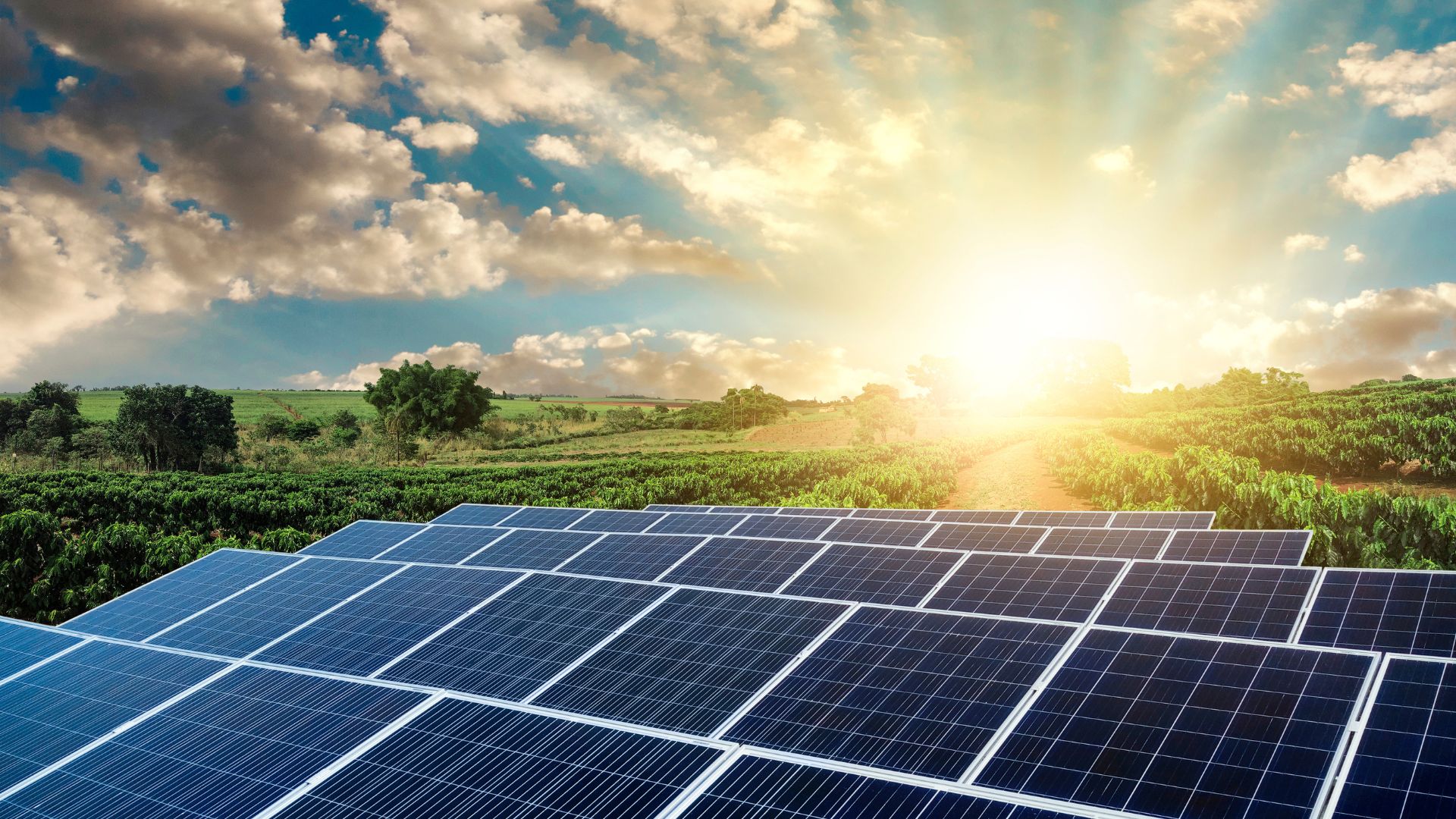
Hydropower remains the backbone of Rwanda’s electricity supply, supported by rivers and lakes across the country. Solar energy has rapidly expanded through grid-connected plants and off-grid systems, particularly in rural areas where mini-grids and solar home systems improve access to lighting, communication, health, and education services.
Biogas and clean cooking technologies are promoted at household and institutional levels to reduce reliance on fuelwood and charcoal, helping to address deforestation, indoor air pollution, and public health risks. Renewable energy development also supports climate change mitigation by lowering greenhouse gas emissions, while enhancing energy security, job creation, and economic growth.
RECOR’s Approach
RECOR supports renewable energy development through inclusive, climate-smart, and community-focused approaches, including:
- Promoting access to clean and affordable energy solutions
- Supporting off-grid and mini-grid renewable energy systems for rural communities
- Encouraging clean cooking technologies to reduce deforestation and indoor air pollution
- Supporting renewable energy investments that enhance livelihoods and productivity
- Strengthening local capacity and skills in renewable energy technologies
- Promoting private-sector engagement and community participation
- Ensuring gender-responsive and inclusive energy access
Objectives
- Expand access to affordable and reliable energy
Increase electricity access for both urban and rural populations. - Promote off-grid and mini-grid renewable solutions
Support renewable energy systems for remote and underserved communities to reduce energy poverty. - Reduce dependence on imported fossil fuels
Diversify Rwanda’s energy mix by prioritizing renewable sources such as hydropower, solar, methane gas, peat, and biomass alternatives. - Promote climate change mitigation and environmental protection
Reduce greenhouse gas emissions from the energy sector and support Rwanda’s commitments under the Paris Agreement and Nationally Determined Contributions (NDCs). - Minimize deforestation through clean energy solutions
Promote clean cooking and alternative energy sources to reduce reliance on firewood and charcoal. - Support sustainable economic growth
Provide reliable energy to industries, SMEs, and agro-processing enterprises to enhance productivity. - Stimulate green investments and job creation
Promote renewable energy technologies that create employment and support inclusive economic growth. - Increase energy generation capacity using clean sources
Develop and scale up renewable energy infrastructure, including solar parks, small and medium hydropower plants, and biogas systems. - Reduce reliance on traditional biomass
Promote biogas, improved cookstoves, LPG, and electric cooking where feasible. - Strengthen energy sector resilience
Build climate-resilient energy infrastructure and improve system reliability against climate-related risks. - Enhance innovation, capacity building, and local skills
Promote research, innovation, and technology transfer in renewable energy. - Promote social inclusion and gender equality
Ensure equitable access to clean energy for women, youth, and vulnerable groups, and support women-led and youth-led renewable energy enterprises.
Alignment
This program aligns with Rwanda’s national development and climate frameworks, including:
- Vision 2050
- National Strategy for Transformation (NST2)
- National Energy Policy
- Nationally Determined Contribution (NDC)
- Green Growth and Climate Resilience Strategy
- Sustainable Development Goals (SDGs):
- SDG 7 – Affordable and Clean Energy
- SDG 8 – Decent Work and Economic Growth
- SDG 9 – Industry, Innovation and Infrastructure
- SDG 13 – Climate Action
- SDG 15 – Life on Land