WATER, HYGIENE & SANITATION (WASH)
RECOR’s WASH Program works to improve access to safe water, sanitation, and hygiene services while strengthening climate resilience, public health, and community well-being across Rwanda.
Why It Matters
Water, hygiene, and sanitation are critical to public health, environmental sustainability, and socio-economic development in Rwanda. The country has made notable progress in expanding access to safe drinking water, improved sanitation, and hygiene services through national programs and community-based initiatives.
Water supply systems draw from springs, rivers, lakes, groundwater, and rainwater harvesting, serving both urban and rural populations. Improved access to safe water has contributed to reduced waterborne diseases and improved community health and well-being.
Sanitation and hygiene remain key priorities, particularly in rural areas and informal settlements. Improved household latrines, school and health facility WASH infrastructure, handwashing with soap, and proper waste management are essential for preventing disease and promoting dignity.
WASH services are closely linked to climate change and environmental management. Flooding, droughts, and landslides can damage water infrastructure and contaminate water sources, increasing health risks. Protecting watersheds, wetlands, and water sources through forest and landscape restoration is therefore essential for long-term water security and climate resilience.
RECOR’s Approach
RECOR supports sustainable and inclusive WASH services through community-based and climate-resilient approaches, including:
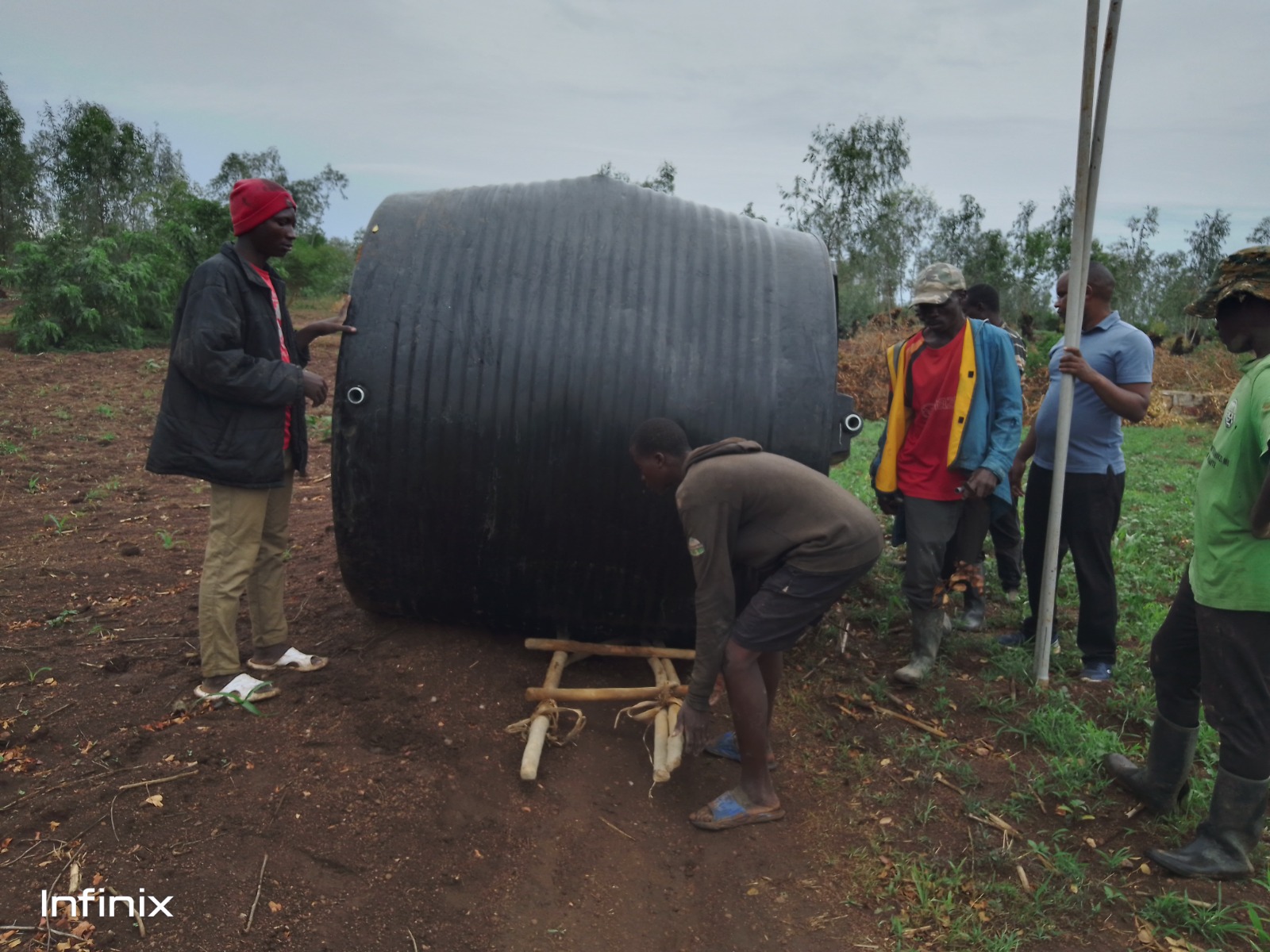
- Improving access to safe and reliable water services
- Promoting improved sanitation and hygiene practices
- Supporting Community-Led Total Sanitation (CLTS) initiatives
- Strengthening WASH infrastructure in schools, health facilities, and public spaces
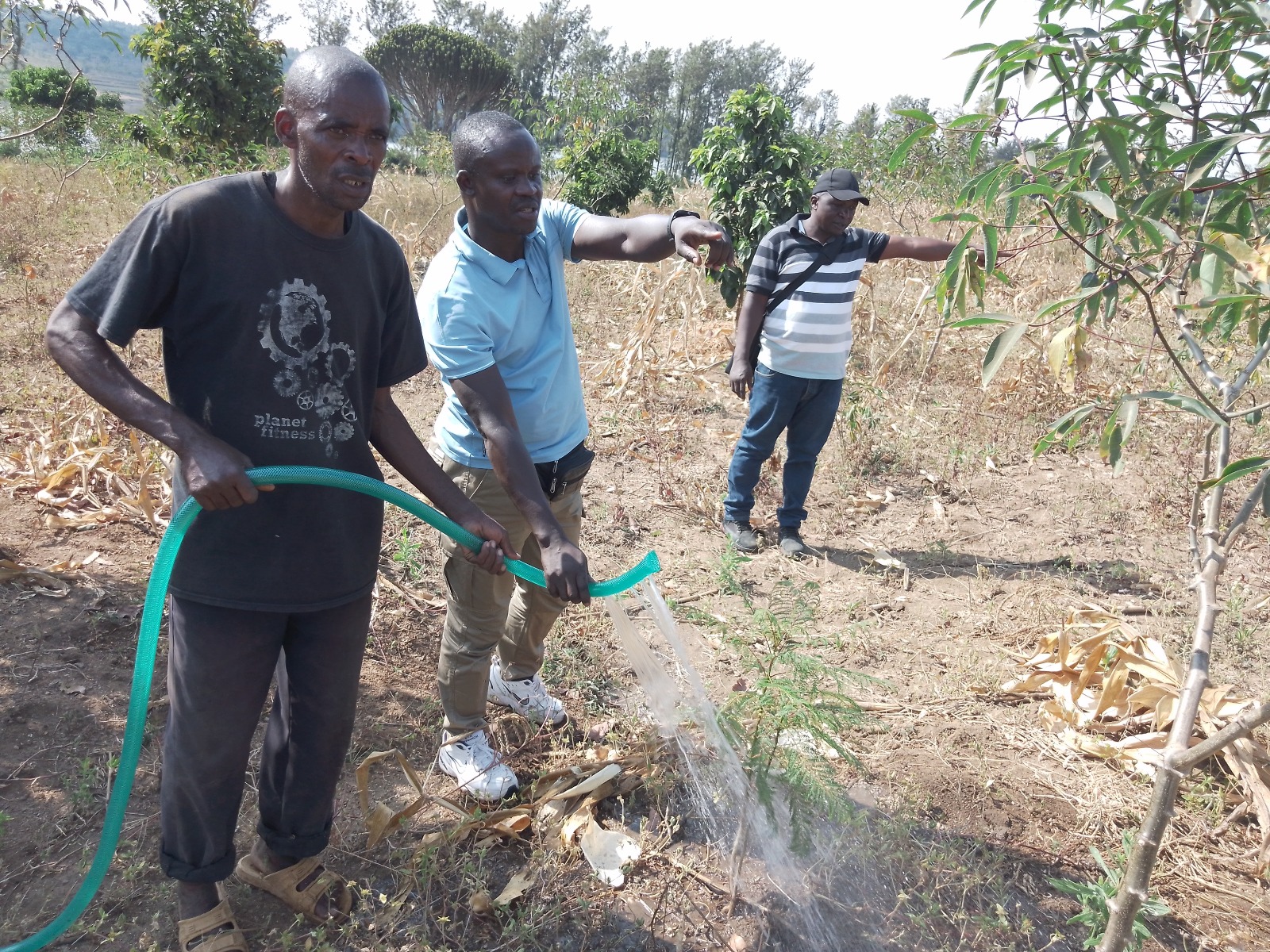
- Promoting watershed protection and sustainable water resource management
- Integrating climate resilience into WASH planning and infrastructure
- Ensuring gender-sensitive, inclusive, and community-driven WASH solutions
Objectives
- Ensure national access to safe drinking water
Increase equitable access to reliable and affordable safe water services in both rural and urban areas, while reducing the burden on women and children and improving water quality monitoring. - Improve sanitation coverage and end open defecation
Promote improved household and public latrines and eliminate open defecation through Community-Led Total Sanitation (CLTS). - Promote hygiene practices and behavior change
Strengthen handwashing with soap, promote menstrual hygiene management (MHM), and integrate hygiene education into schools and community programs. - Strengthen WASH in institutions and public spaces
Ensure adequate WASH facilities in schools, health centers, markets, and public places, including inclusive and disability-friendly infrastructure. - Enhance water resource protection and sustainability
Protect water catchments, wetlands, and watersheds, promote rainwater harvesting, and strengthen integrated water resources management (IWRM). - Build climate-resilient WASH systems
Develop infrastructure resilient to floods, droughts, and climate variability and promote climate-smart water supply technologies. - Reduce public health risks
Prevent waterborne and sanitation-related diseases such as diarrhea and cholera through improved environmental sanitation and strong linkages between WASH and public health systems.
Alignment
This program aligns with Rwanda’s national and global development frameworks, including:
- Vision 2050
- National Strategy for Transformation (NST2)
- National Water Supply Policy
- National Sanitation Policy
- Sustainable Development Goal (SDG 6): Clean Water and Sanitation
- National Environment and Climate Change Policy