BIODIVERSITY CONSERVATION
RECOR’s Biodiversity Conservation Program works to protect Rwanda’s rich ecosystems, wildlife, and natural heritage while supporting sustainable livelihoods and community well-being.
Why It Matters
Despite its small size, Rwanda is one of Africa’s biodiversity-rich countries, hosting a wide variety of ecosystems, plant species, wildlife, and genetic resources. These include montane forests, savannahs, wetlands, lakes, and river systems that support many endemic and globally threatened species.
Rwanda is internationally recognized for its iconic wildlife, including mountain gorillas in Volcanoes National Park and chimpanzees in Nyungwe National Park, as well as diverse bird, amphibian, and plant species. Major protected areas such as Volcanoes, Nyungwe, Akagera, and Gishwati–Mukura National Parks play a vital role in conserving biodiversity and maintaining ecosystem services like water regulation, soil protection, climate regulation, and tourism income.
Wetlands and lakes, including Lake Kivu, provide critical habitats for aquatic biodiversity and support local livelihoods. However, Rwanda’s biodiversity faces increasing pressure from population growth, land-use change, agricultural expansion, climate change, invasive species, and habitat fragmentation.
Biodiversity conservation is therefore central to sustainable development, climate resilience, and poverty reduction, ensuring that ecosystems continue to support human well-being and future generations.
RECOR’s Approach
RECOR supports biodiversity conservation through integrated, community-centered, and ecosystem-based approaches, including:
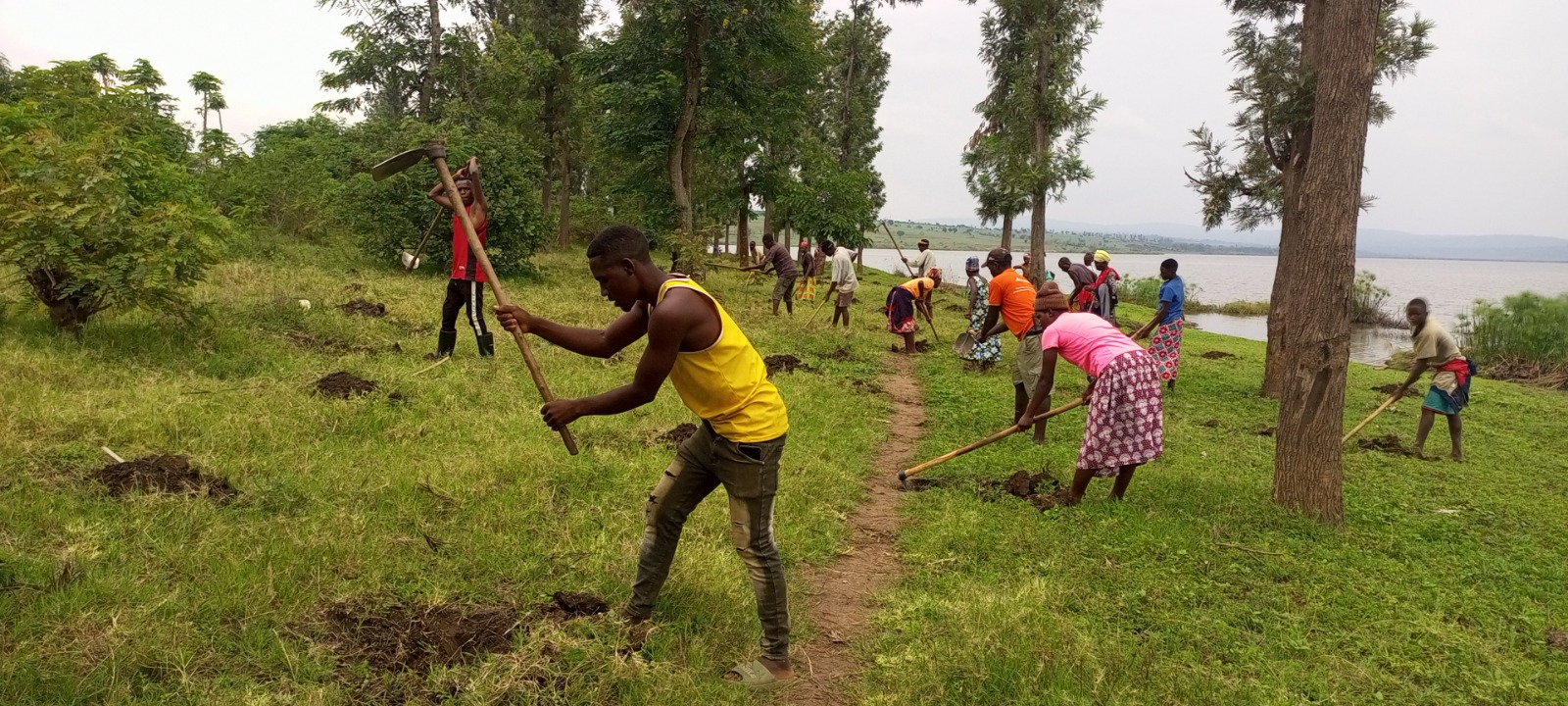
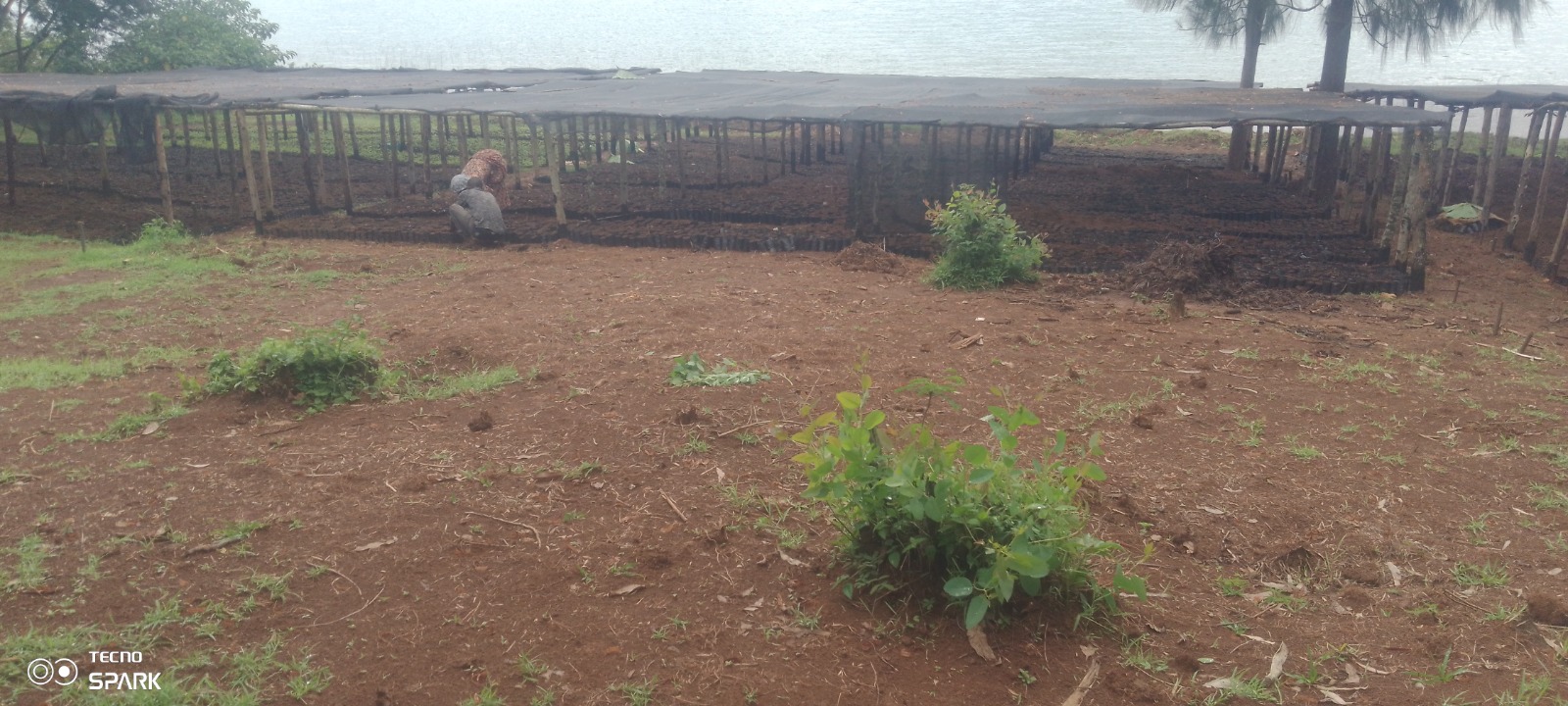
- Supporting protection and restoration of forests, wetlands, and protected landscapes
- Promoting community-based conservation and benefit-sharing mechanisms
- Strengthening sustainable natural resource management practices
- Supporting habitat restoration and landscape connectivity
- Integrating biodiversity conservation with climate resilience and livelihoods
- Promoting scientific research and indigenous knowledge for conservation
- Engaging women, youth, and local communities as key conservation actors
Objectives
- Conserve ecosystems and habitats
Protect and sustainably manage forests, wetlands, savannahs, lakes, and river systems to maintain ecological integrity and ecosystem services. - Protect threatened and endemic species
Safeguard globally and nationally threatened species, including endemic flora and fauna, through effective protection, monitoring, and habitat management. - Strengthen protected area management
Enhance the management effectiveness of national parks and reserves such as Volcanoes, Nyungwe, Akagera, and Gishwati–Mukura landscapes. - Restore degraded ecosystems and landscapes
Promote forest and landscape restoration, reforestation, and rehabilitation of degraded lands to recover biodiversity and ecosystem functions. - Promote sustainable use of biological resources
Ensure that biodiversity resources are used sustainably to support livelihoods while preventing overexploitation and environmental degradation. - Enhance community participation and benefit sharing
Engage local communities in conservation efforts and ensure they benefit through community-based conservation, ecotourism, and sustainable livelihoods. - Mainstream biodiversity into development planning
Integrate biodiversity conservation into national, sectoral, and local development policies, land-use planning, and infrastructure development. - Address drivers of biodiversity loss
Reduce pressures such as habitat conversion, invasive species, pollution, and climate change impacts through targeted interventions. - Strengthen research, monitoring, and knowledge management
Support biodiversity research, monitoring systems, and data sharing to inform evidence-based conservation decisions.
Alignment
This program aligns with national, regional, and global biodiversity frameworks, including:
- Vision 2050
- National Biodiversity Strategy and Action Plan (NBSAP)
- National Environment and Climate Change Policy
- Convention on Biological Diversity (CBD)
- Sustainable Development Goals (SDGs):
- SDG 1 – No Poverty
- SDG 13 – Climate Action
- SDG 14 – Life Below Water
- SDG 15 – Life on Land