FORESTRY & AGROFORESTRY
RECOR’s Forestry & Agroforestry Program promotes sustainable forest management and tree-based farming systems to restore landscapes, strengthen climate resilience, enhance agricultural productivity, and improve community livelihoods.
Why It Matters
Forestry and agroforestry play a vital role in Rwanda’s landscape restoration, environmental conservation, climate resilience, and sustainable agriculture. Rwanda’s forestry sector includes natural forests, plantation forests, community woodlots, and trees on farms, all of which contribute significantly to ecosystem health and rural livelihoods.
Key forest ecosystems such as Nyungwe, Volcanoes, Gishwati–Mukura, and Akagera support biodiversity, protect watersheds, reduce soil erosion, and regulate local climate. Plantation forests and community woodlots provide essential resources such as timber, fuelwood, and construction materials, helping to reduce pressure on natural forests.
Agroforestry is widely promoted in Rwanda as an integrated land-use system combining trees with crops and/or livestock. Practices such as boundary planting, contour hedgerows, intercropping with fruit and nitrogen-fixing trees, and live fences improve soil fertility, water retention, and farm productivity. These systems also provide fruits, fodder, fuelwood, and additional income for households.
Forestry and agroforestry contribute significantly to climate change mitigation and adaptation by enhancing carbon sequestration, restoring degraded landscapes, and increasing the resilience of farming systems to droughts and heavy rainfall. They are especially important in Rwanda’s hilly and erosion-prone landscapes, where sustainable land management is essential for food security, biodiversity conservation, and long-term development.
RECOR’s Approach
RECOR promotes forestry and agroforestry through community-based, landscape-level, and climate-smart interventions, including:
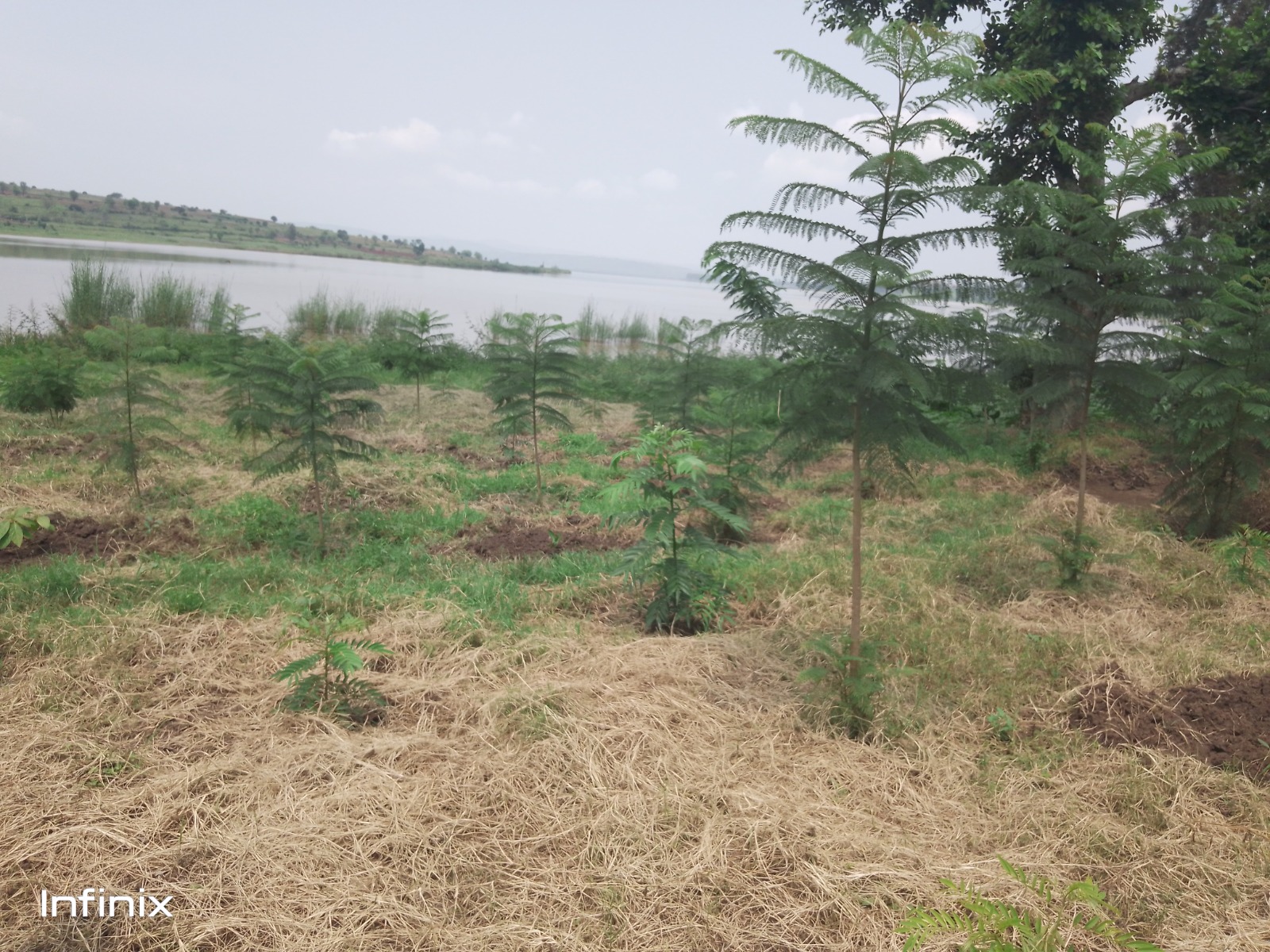
- Supporting forest and landscape restoration on degraded lands
- Promoting sustainable management of natural forests, plantations, and woodlots
- Encouraging agroforestry practices integrated into farming systems
- Strengthening soil and water conservation in erosion-prone areas
- Enhancing carbon sequestration and climate resilience through tree-based systems
- Supporting clean cooking and sustainable biomass energy solutions
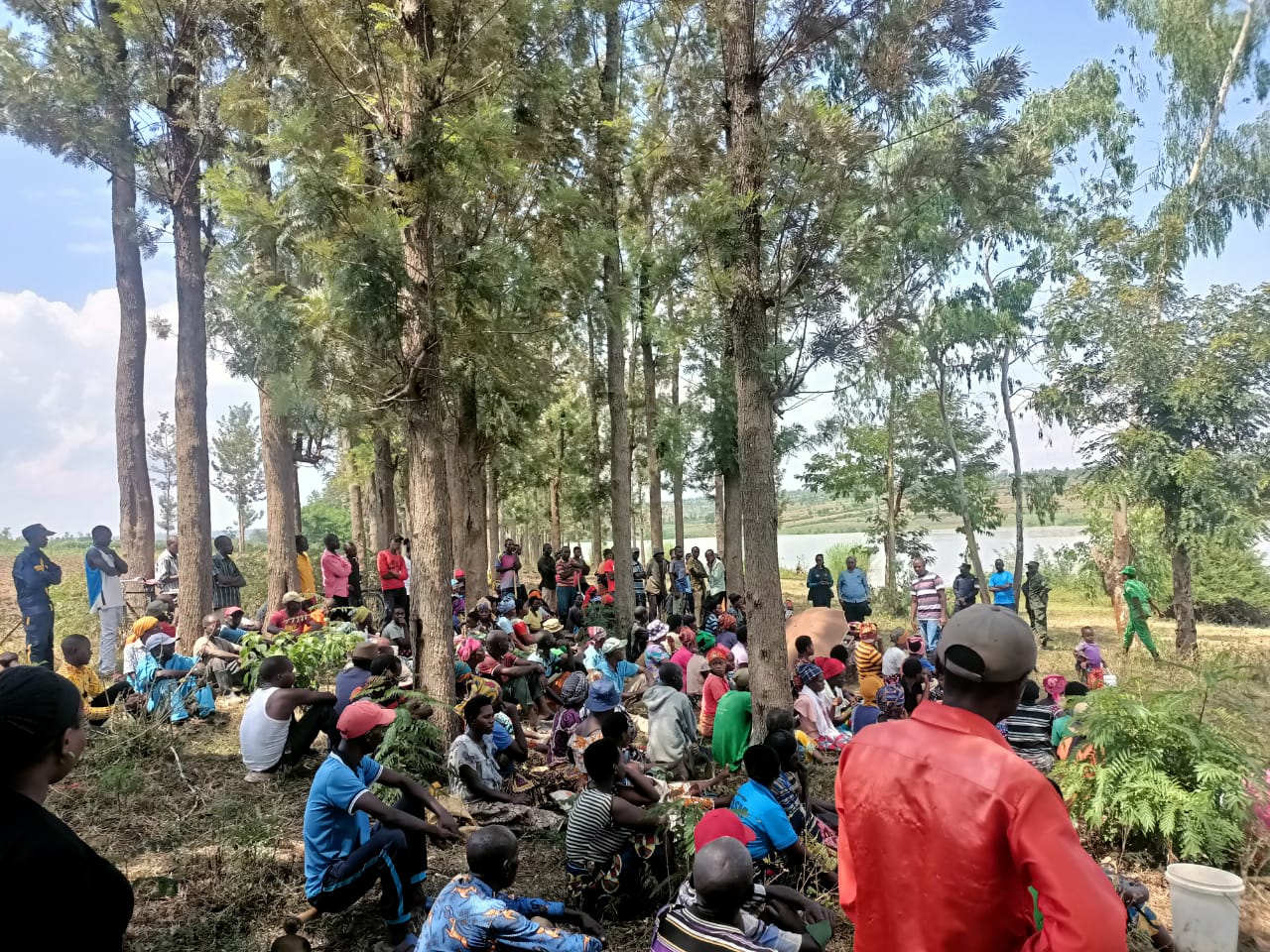
- Building capacity of farmers, cooperatives, and local authorities
- Promoting inclusive participation of communities, women, and youth
Objectives
- Restore and sustainably manage forest resources
Conserve natural forests and promote sustainable management of plantation forests and woodlots to maintain ecosystem health and productivity. - Reduce land degradation and soil erosion
Use trees, contour planting, and agroforestry systems to stabilize soils, particularly in Rwanda’s hilly and erosion-prone landscapes - Enhance climate change mitigation and adaptation
Increase carbon sequestration, regulate microclimates, and strengthen the resilience of farming systems to climate variability and extreme events. - Improve agricultural productivity and food security
Integrate trees with crops and livestock to improve soil fertility, water retention, and diversified farm outputs. - Protect biodiversity and ecosystem services
Provide habitats and ecological corridors while enhancing ecosystem services such as water regulation, pollination, and watershed protection. - Reduce pressure on natural forests
Promote on-farm tree growing and sustainable woodlots to meet household demand for fuelwood, timber, and fodder. - Diversify and increase household incomes
Support income generation through timber, fruits, fodder, honey, and non-timber forest products. - Promote sustainable energy and clean cooking
Support biomass supply from sustainable sources and complementary clean cooking solutions to reduce deforestation. - Strengthen community participation and capacity
Build skills and awareness among farmers, cooperatives, and local authorities for effective forestry and agroforestry management. - Mainstream forestry and agroforestry into development planning
Integrate tree-based systems into national, district, and landscape-level planning frameworks.
Alignment
This program aligns with Rwanda’s national development and environmental frameworks, including:
- Vision 2050
- National Strategy for Transformation (NST2)
- National Forest Policy
- National Agroforestry Strategy
- Green Growth and Climate Resilience Strategy
- Sustainable Development Goals (SDGs):
- SDG 1 – No Poverty
- SDG 2 – Zero Hunger
- SDG 7 – Affordable and Clean Energy
- SDG 13 – Climate Action
- SDG 15 – Life on Land