COMMUNITY LIVELIHOODS
RECOR’s Community Livelihoods Program strengthens income security, resilience, and well-being of communities by promoting sustainable, climate-resilient, and inclusive livelihood opportunities linked to natural resource management.
Why It Matters
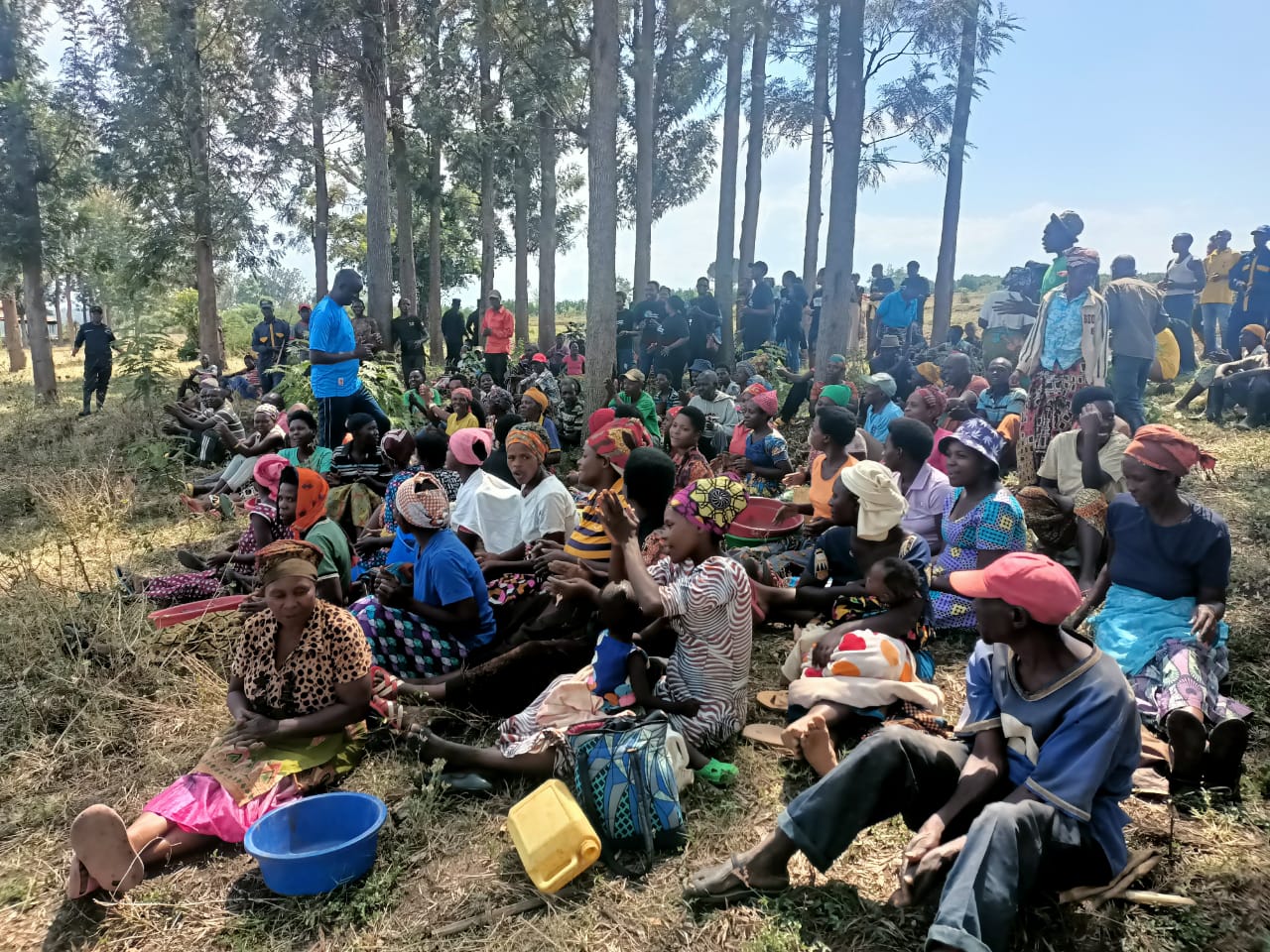
Community livelihoods in Rwanda are closely linked to natural resources, agriculture, and small-scale economic activities, and play a central role in poverty reduction and sustainable development. The majority of communities depend on rain-fed agriculture, livestock rearing, fisheries, and forestry-related activities for food and income.
Smallholder farming dominates rural livelihoods, with key crops including beans, maize, bananas, coffee, tea, and horticultural products. Livestock such as cattle, goats, and poultry contribute to household nutrition, income generation, and soil fertility through manure use.
However, community livelihoods are increasingly affected by climate change, land degradation, and population pressure. These challenges result in reduced agricultural productivity, soil erosion, and income insecurity. Women and youth—despite their central role in production and household welfare—often face additional barriers to accessing land, finance, skills, and markets.
Strengthening community livelihoods through sustainable and diversified income sources is therefore essential for food security, resilience to shocks, social cohesion, and long-term sustainable development across Rwanda.
RECOR’s Approach
RECOR promotes inclusive and climate-resilient livelihoods through integrated community-based approaches, including:
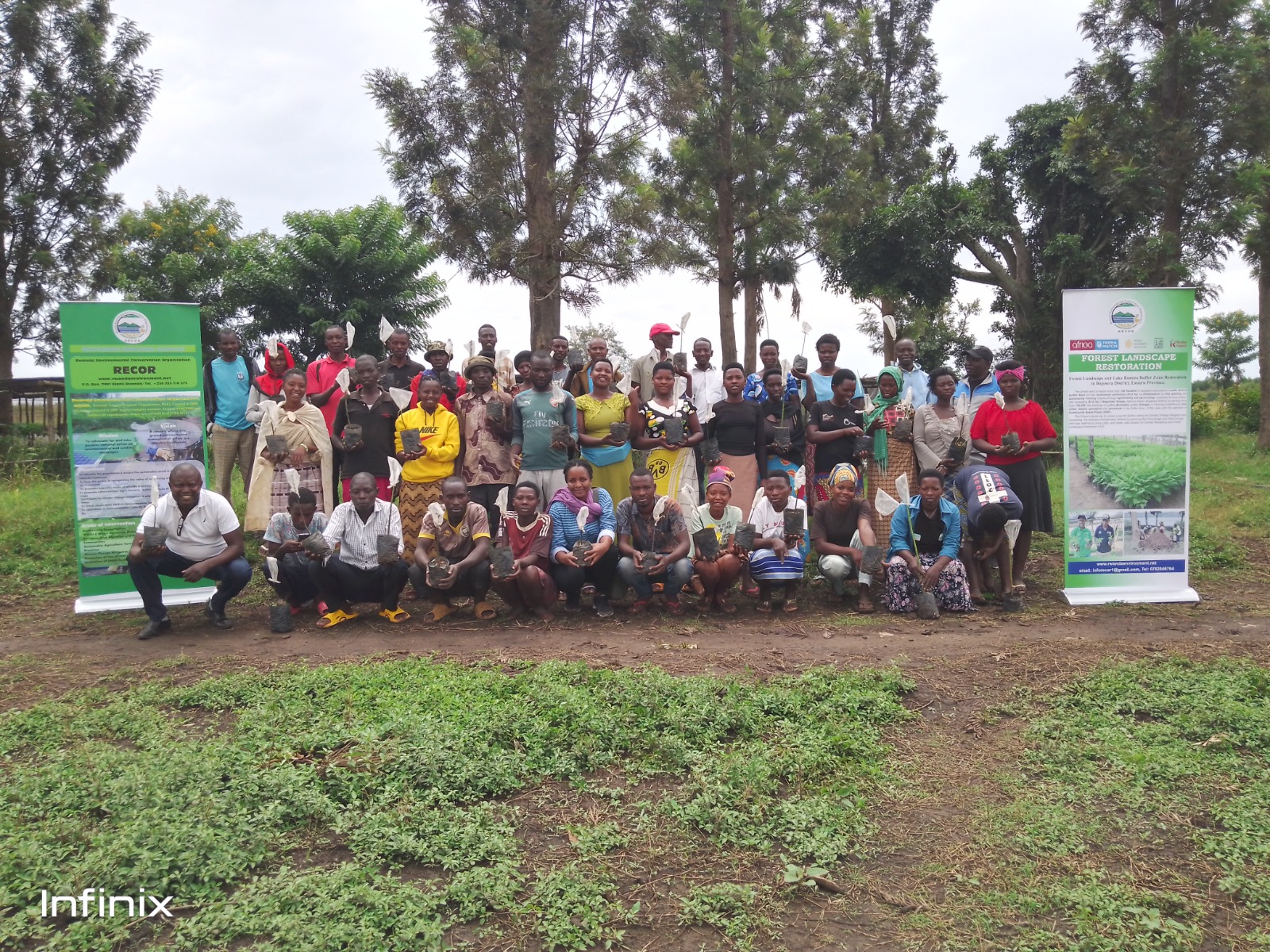
- Promoting climate-smart agriculture and agroforestry practices
- Supporting sustainable fisheries, beekeeping, and ecotourism enterprises
- Strengthening value addition and market access for smallholder producers
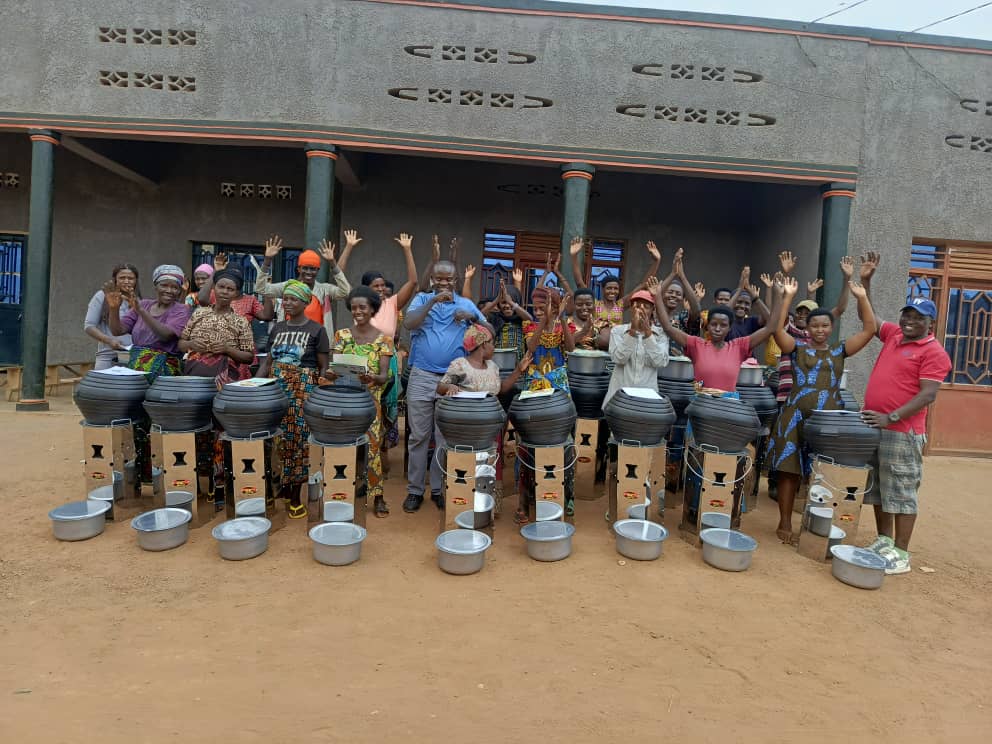
- Supporting community cooperatives, savings groups, and local enterprises
- Enhancing skills development and entrepreneurship for youth and women
- Integrating livelihoods with environmental conservation and restoration
- Linking livelihoods with social protection and resilience-building initiatives
Objectives
- Reduce poverty and improve household incomes
Increase income-generating opportunities for rural and urban communities and reduce vulnerability to economic and climate shocks. - Promote sustainable and climate-resilient livelihoods
Integrate climate-smart agriculture, agroforestry, and natural resource-based enterprises while strengthening adaptive capacity. - Enhance skills development and employment
Build technical, vocational, and entrepreneurial skills among youth and women and promote decent work and self-employment. - Support inclusive economic participation
Empower women, youth, and vulnerable groups to participate in livelihood activities and decision-making processes. - Strengthen agricultural productivity and value chains
Improve productivity in agriculture, livestock, fisheries, and agro-processing through value addition and market linkages. - Promote natural resource management and environmental conservation
Support livelihoods that reduce pressure on forests, wetlands, and biodiversity while promoting sustainable land and water use. - Enhance community resilience and social protection
Strengthen household resilience to economic, health, and climate shocks and integrate livelihoods with social protection programs. - Foster local economic development
Support SMEs, local value chains, innovation, and entrepreneurship to strengthen rural–urban economic linkages. - Strengthen community ownership and governance
Promote participatory planning, strengthen local institutions, and ensure accountability and sustainability of livelihood interventions.
Alignment
This program aligns with Rwanda’s national development and resilience frameworks, including:
- Vision 2050
- National Strategy for Transformation (NST2)
- EDPRS legacy goals
- Social Protection Programs (e.g., VUP)
- Sustainable Development Goals (SDGs):
- SDG 1 – No Poverty
- SDG 2 – Zero Hunger
- SDG 5 – Gender Equality
- SDG 8 – Decent Work and Economic Growth
- SDG 13 – Climate Action
- SDG 15 – Life on Land