EDUCATION FOR SUSTAINABLE DEVELOPMENT
RECOR’s Education for Sustainable Development Program equips learners and communities with Knowledge, skills, values, and attitudes needed to promote environmental stewardship, climate resilience, and sustainable livelihoods.
Why It Matters
Education for Sustainable Development (ESD) plays a critical role in building a responsible, resilient, and environmentally conscious society in Rwanda. ESD focuses on helping learners understand the links between environmental protection, climate change, biodiversity conservation, socio-economic development, and human well-being.
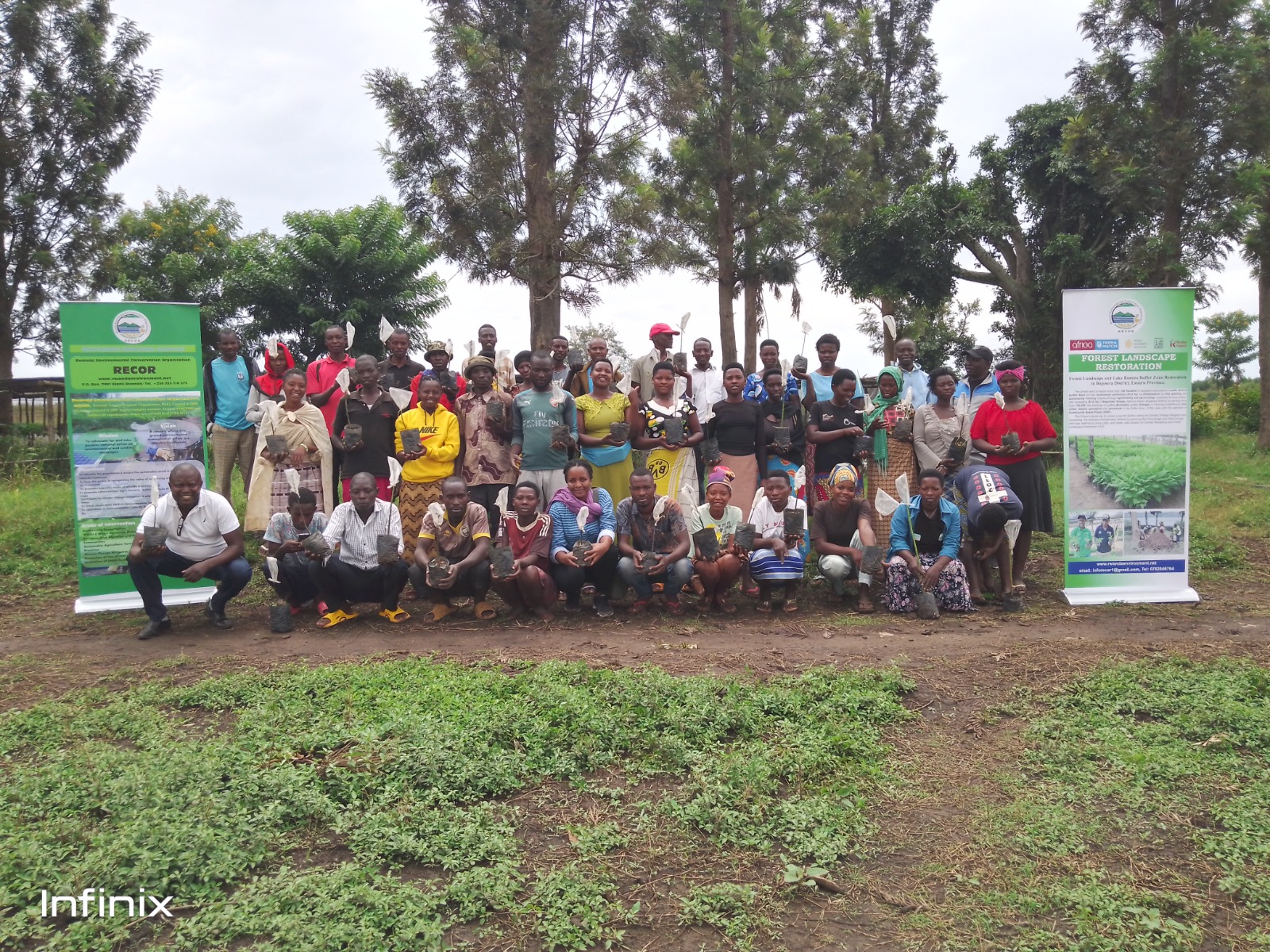
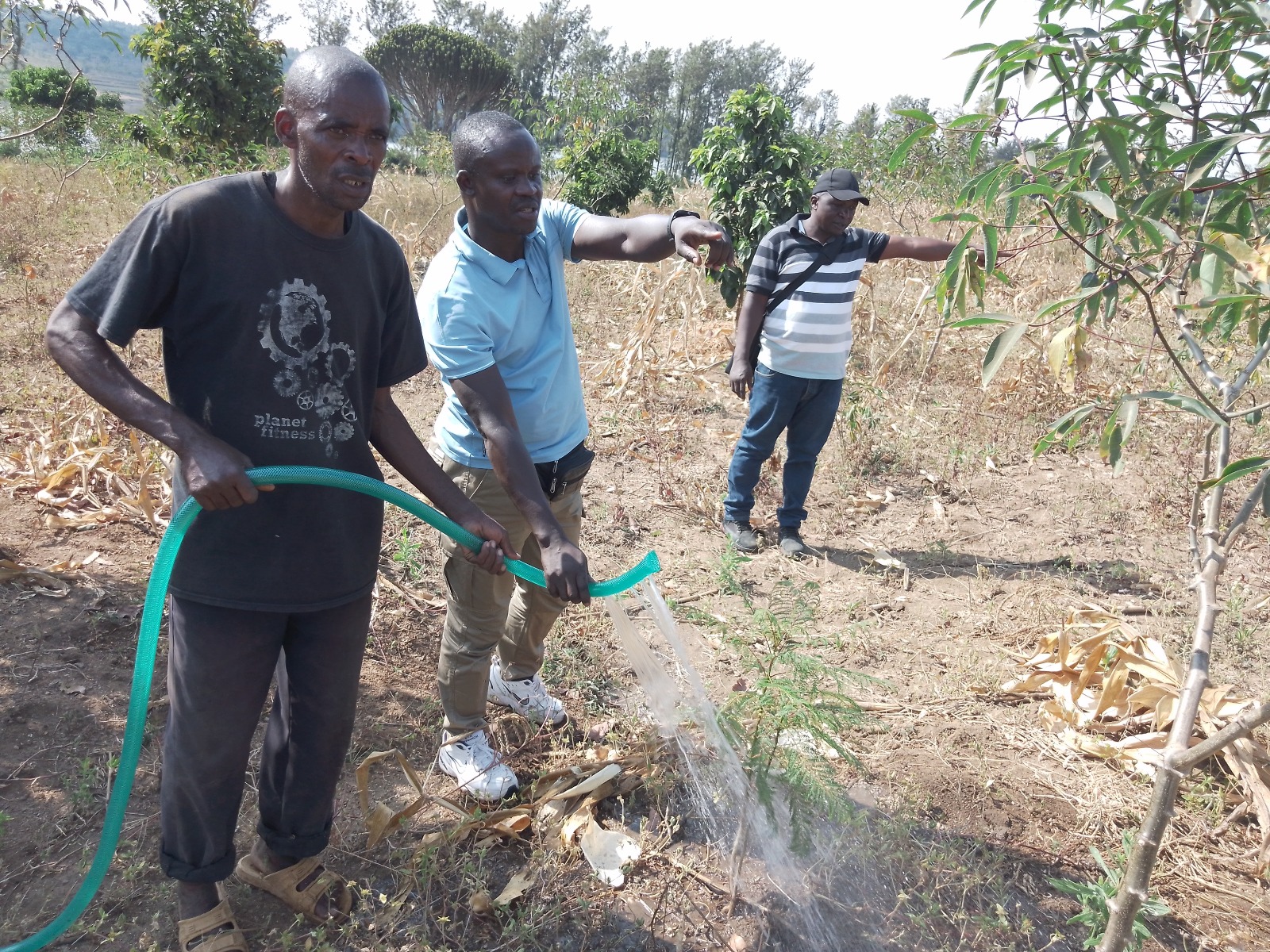
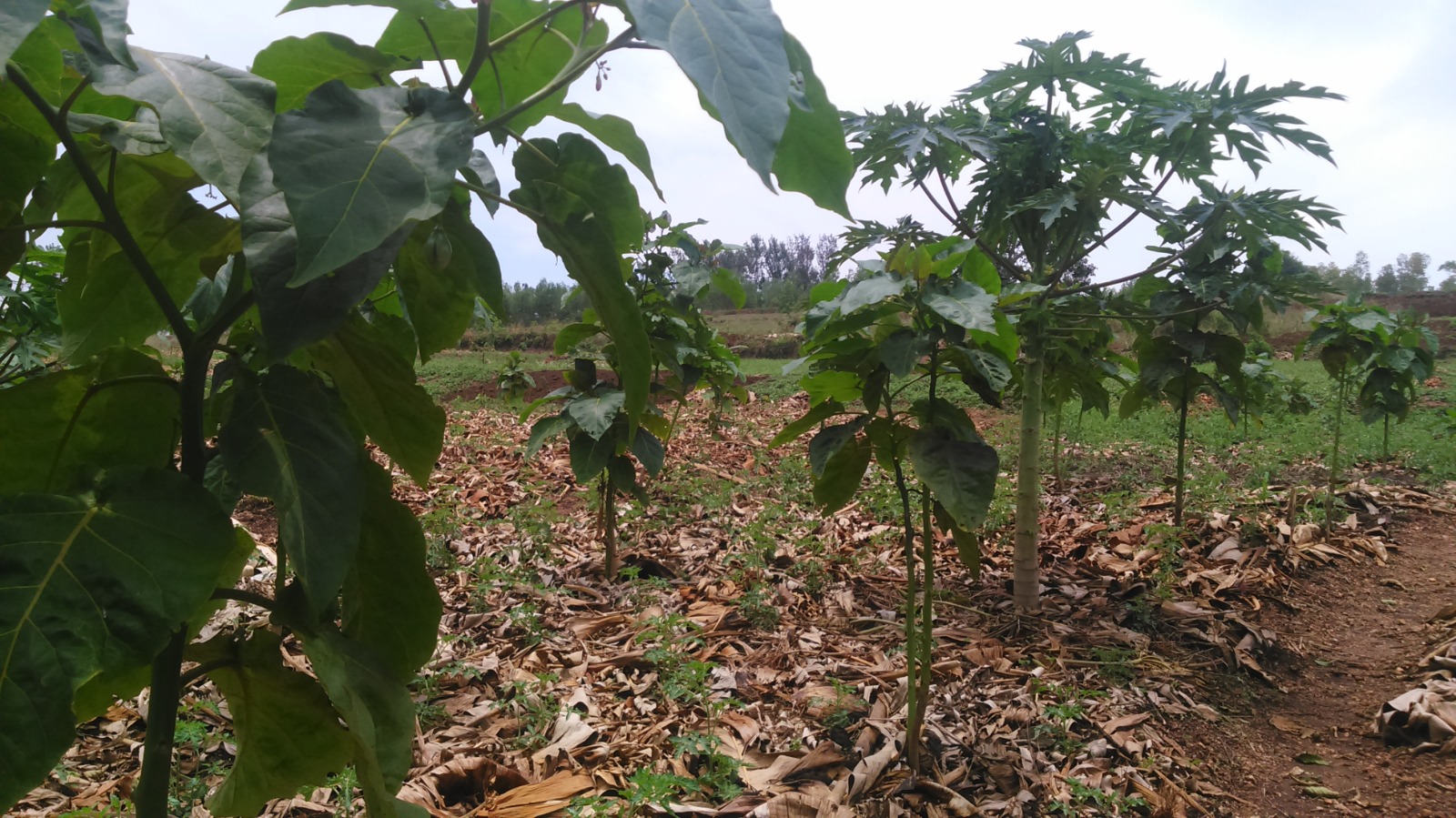
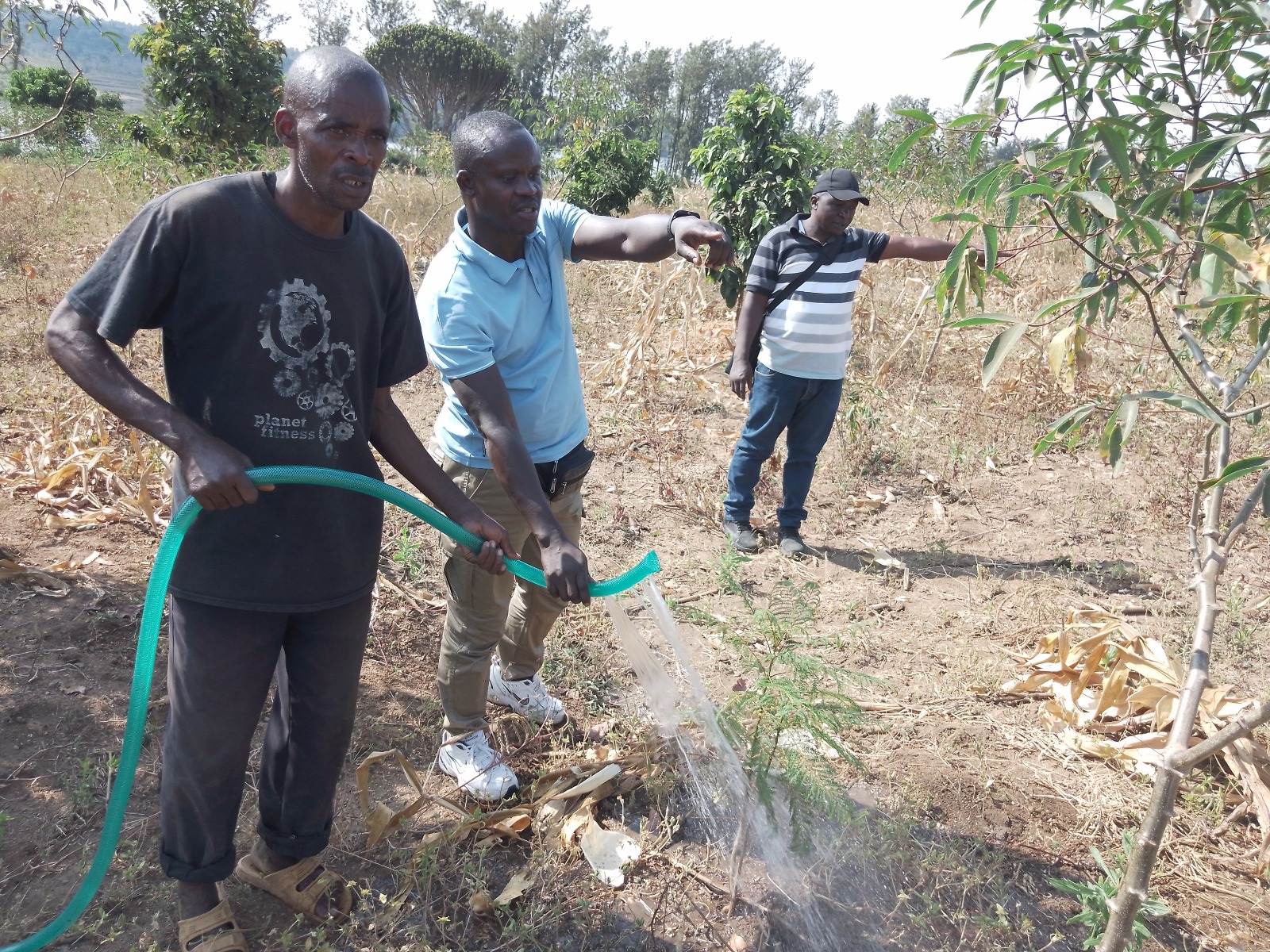
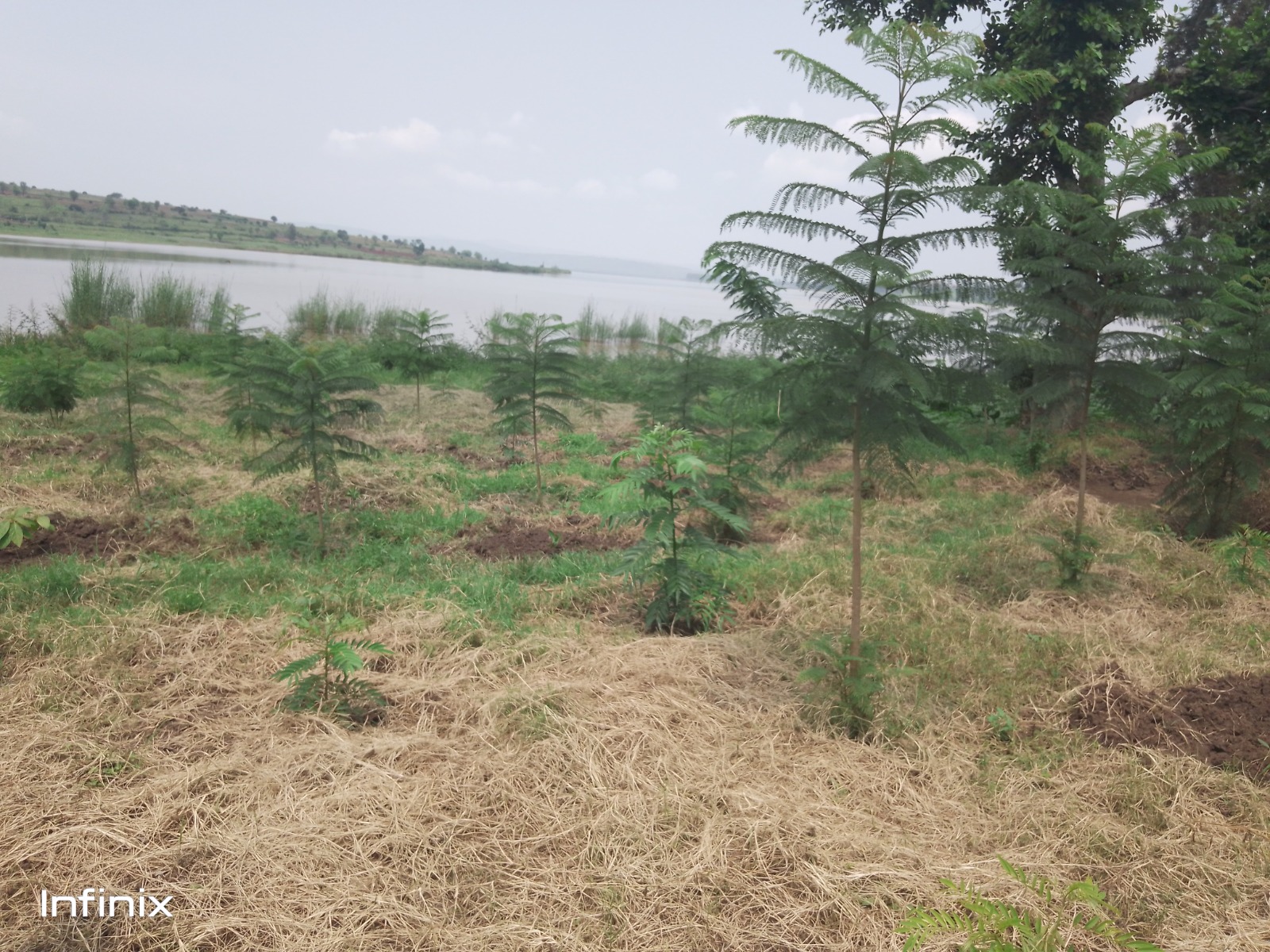
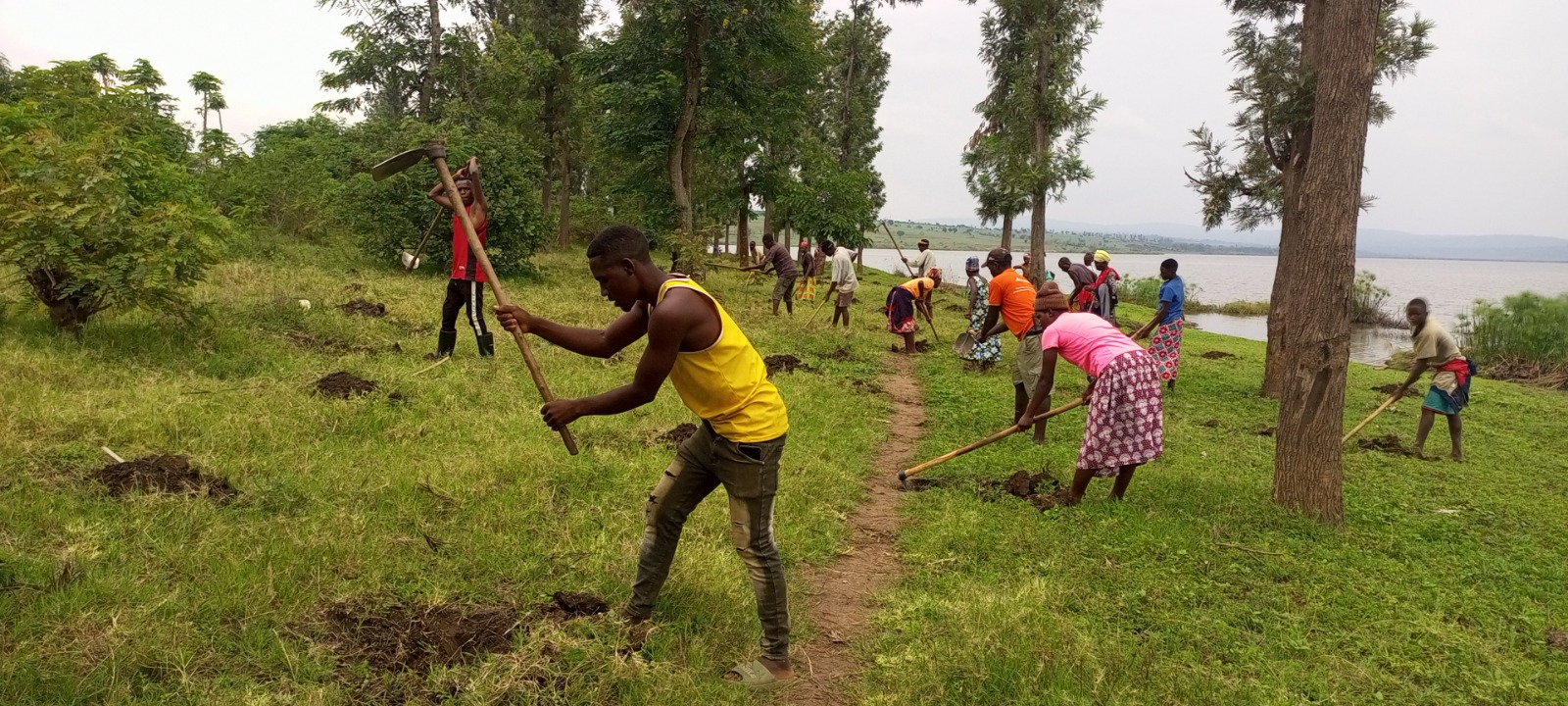
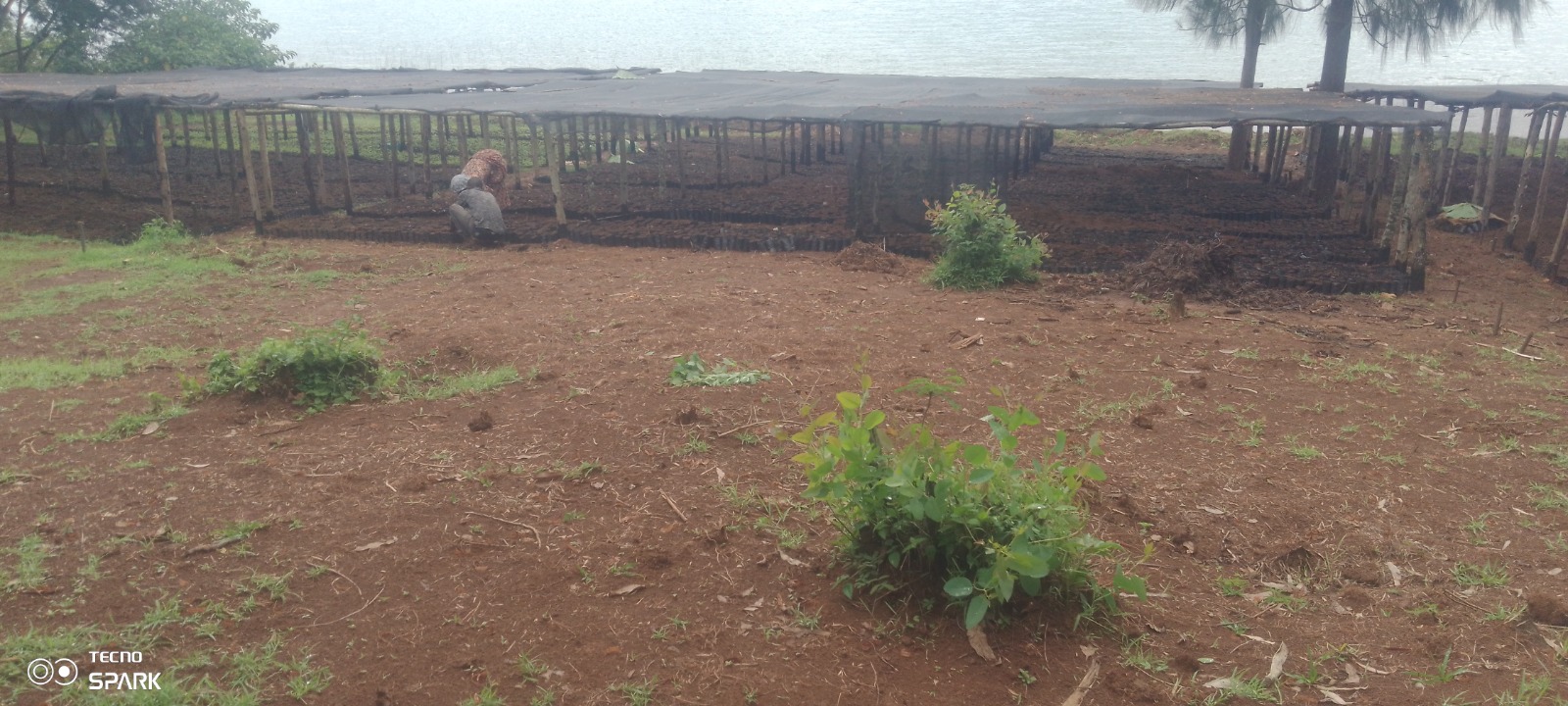
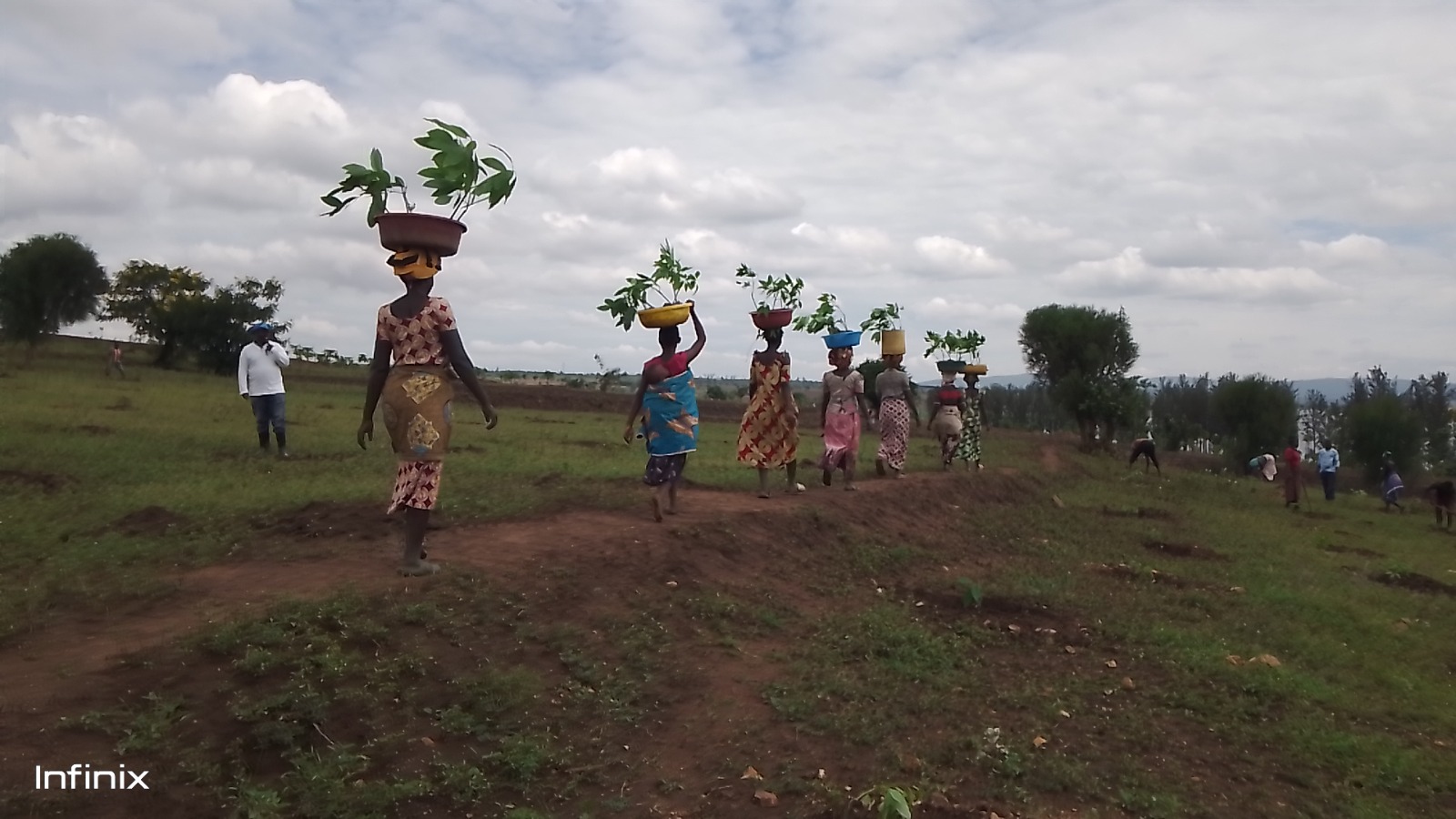
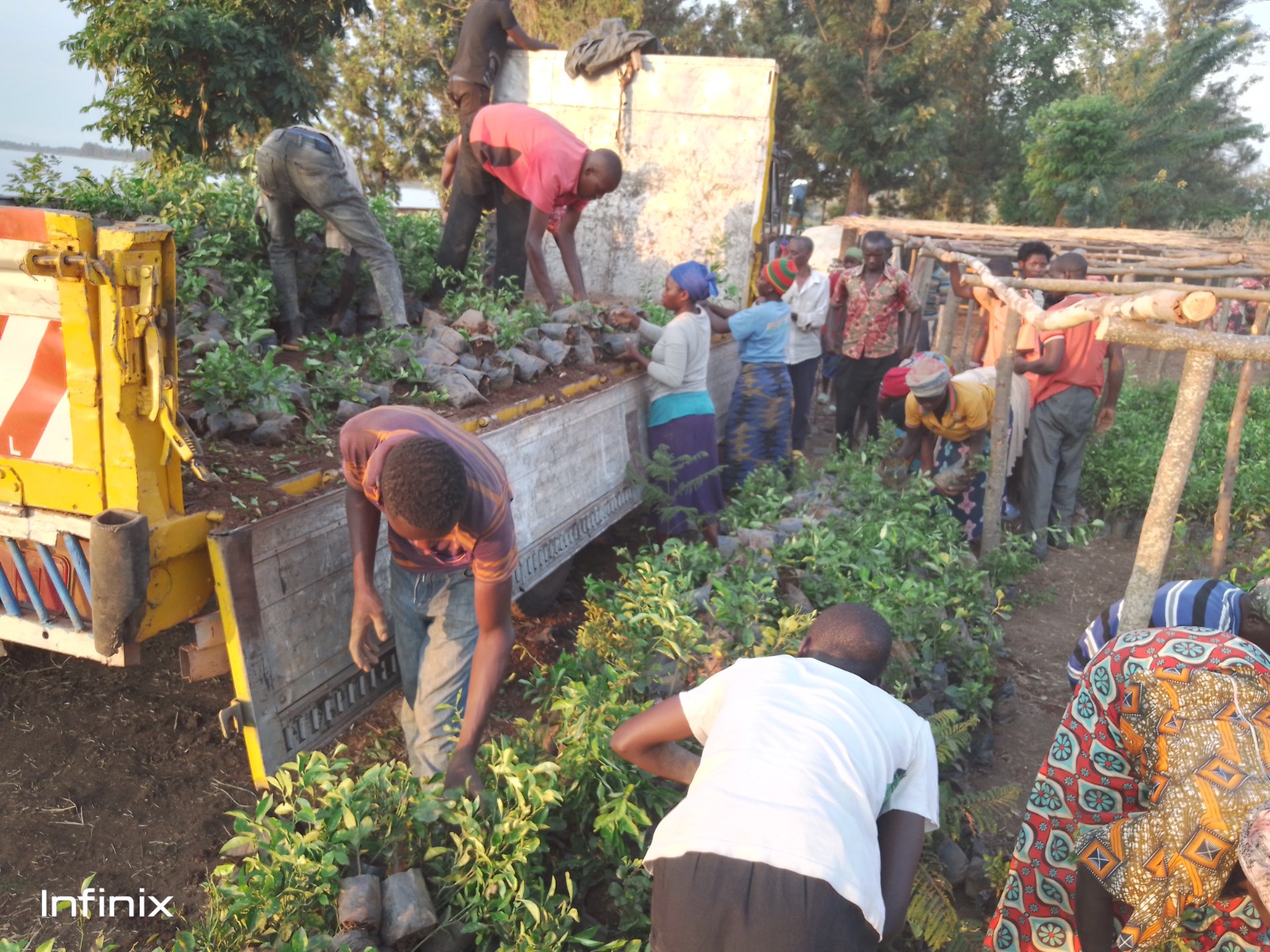
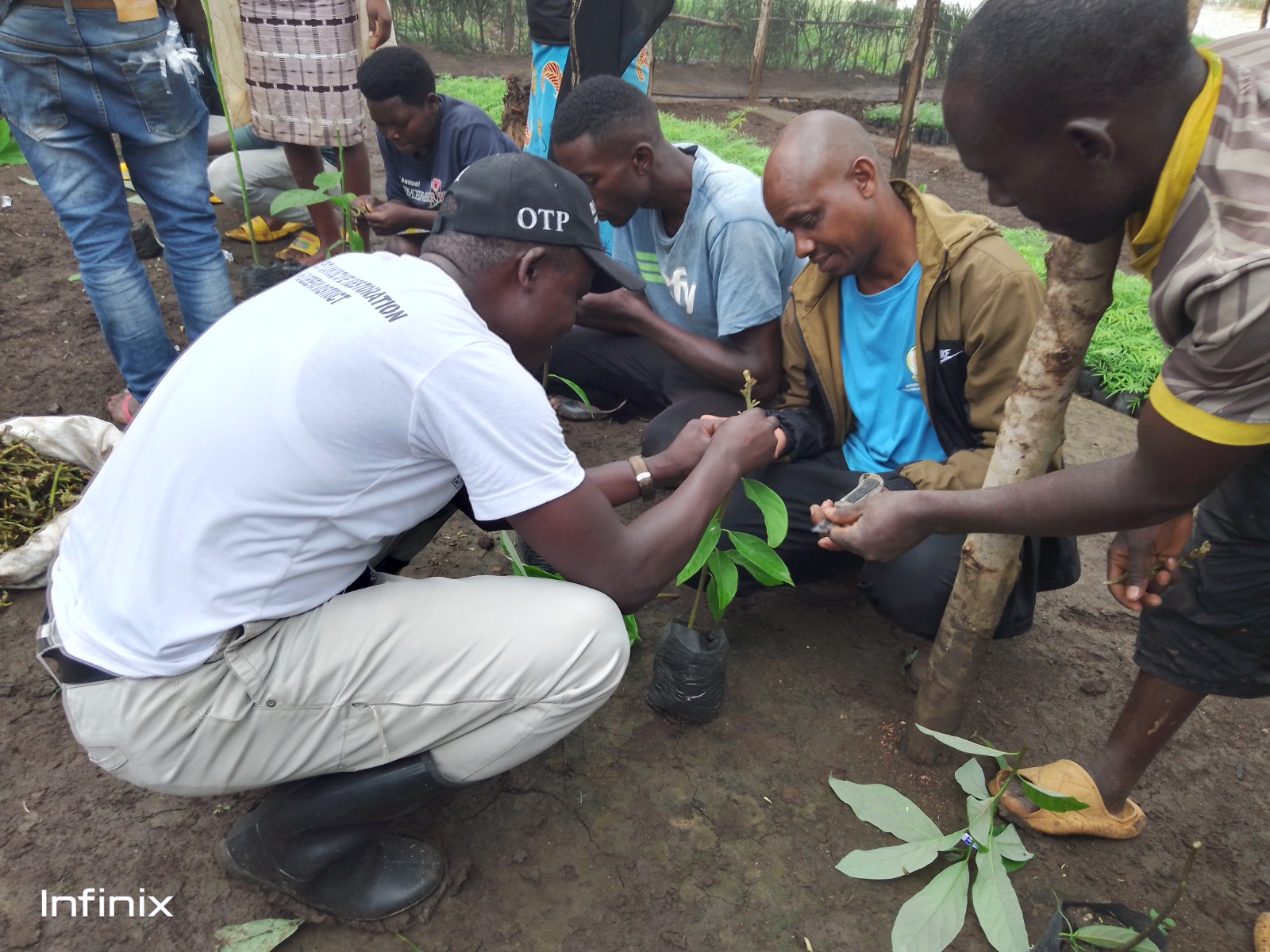
In Rwanda, ESD is integrated into formal, non-formal, and community-based education systems. Sustainability concepts such as climate change, biodiversity conservation, renewable energy, water and sanitation, waste management, and responsible citizenship are embedded in national curricula at primary, secondary, and tertiary levels. Schools promote practical, hands-on learning through activities such as school gardens, tree planting, waste management, and water conservation.
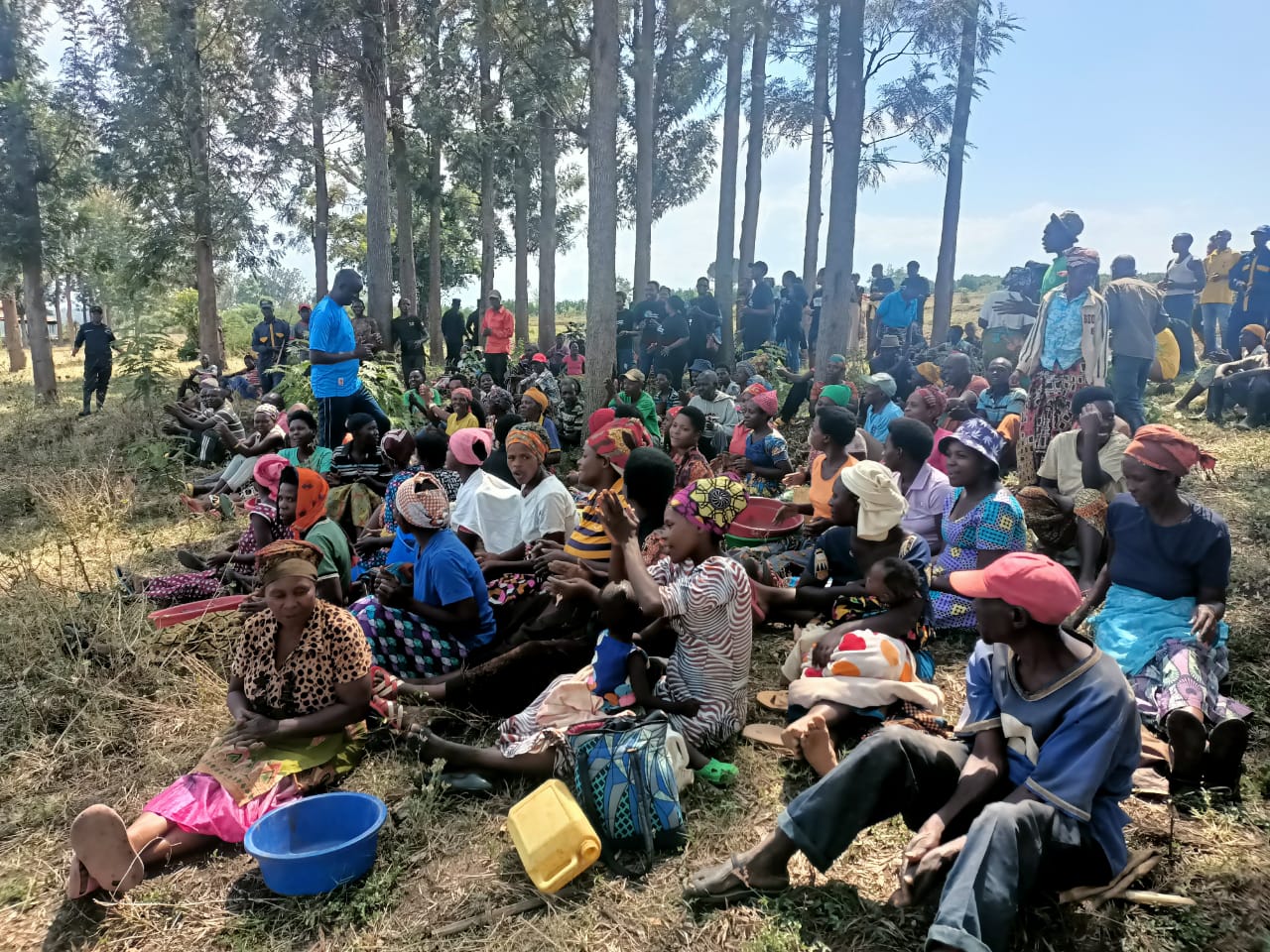
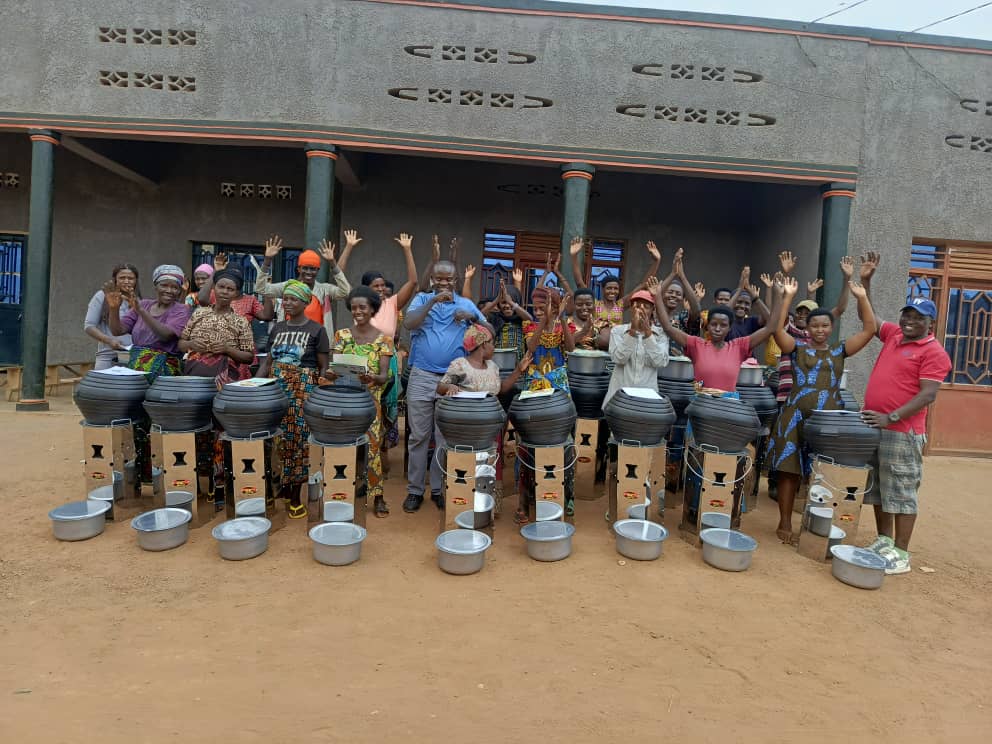
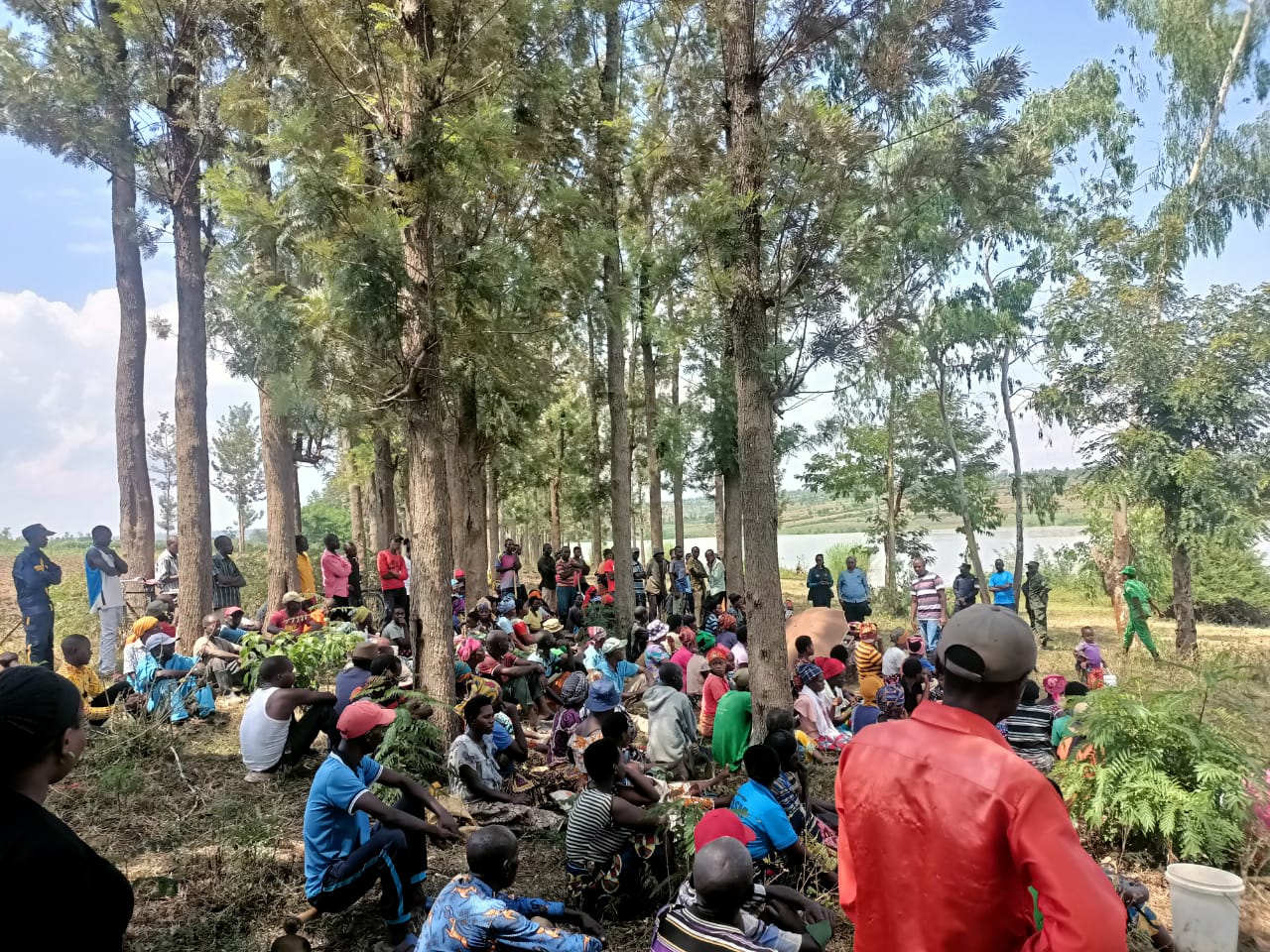
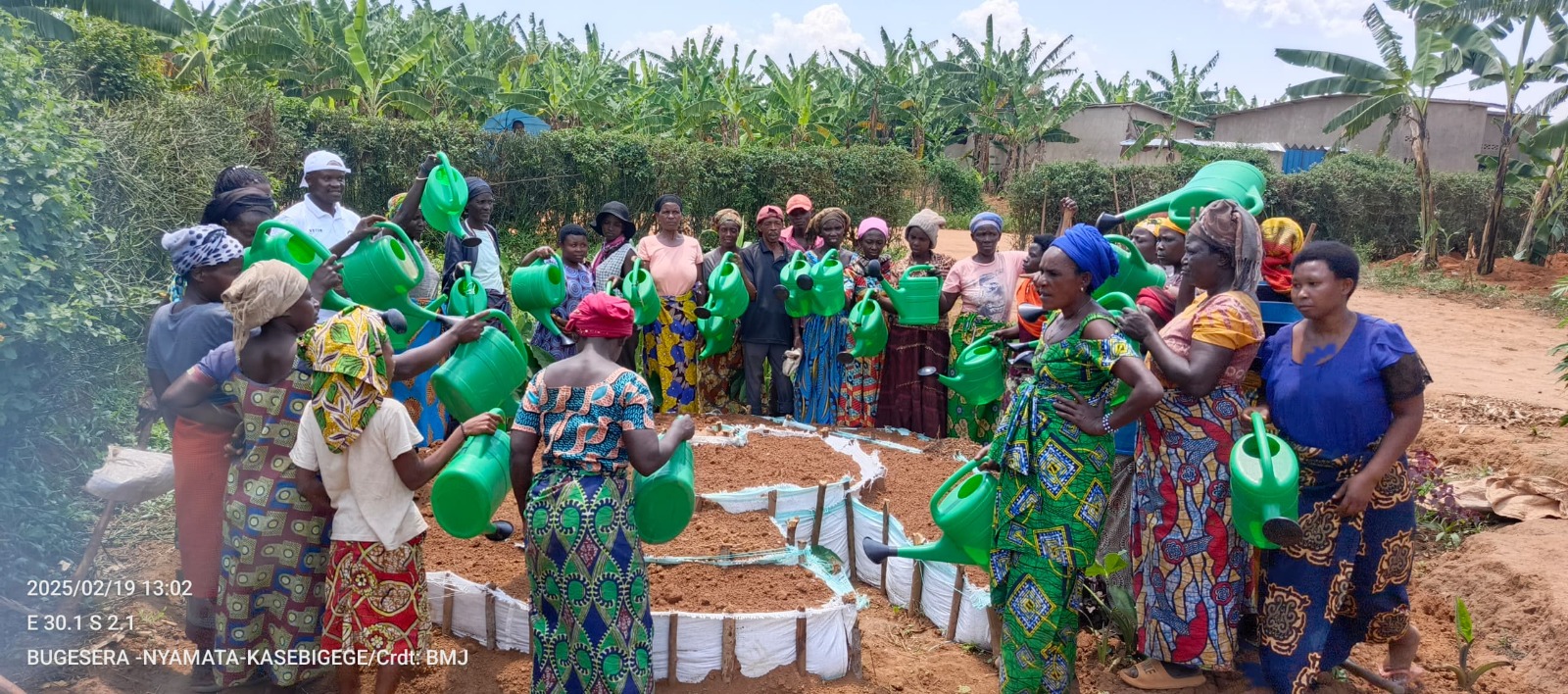
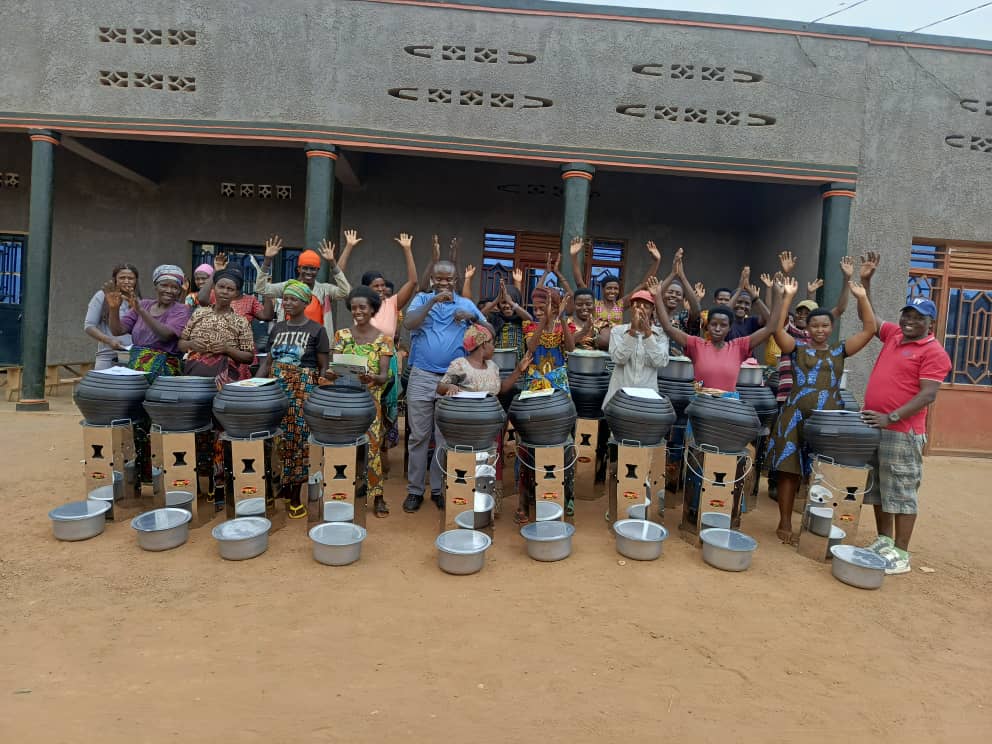
Beyond schools, ESD is advanced through community education, youth engagement, women’s groups, cooperatives, and civil society organizations. Public awareness campaigns and partnerships strengthen community participation in sustainable practices, support lifelong learning, and encourage local action to address environmental and climate challenges.
RECOR’s Approach
RECOR promotes Education for Sustainable Development through inclusive, participatory, and action-oriented learning approaches, including:
- Integrating sustainability concepts into formal and non-formal education
- Supporting teacher training and institutional capacity building
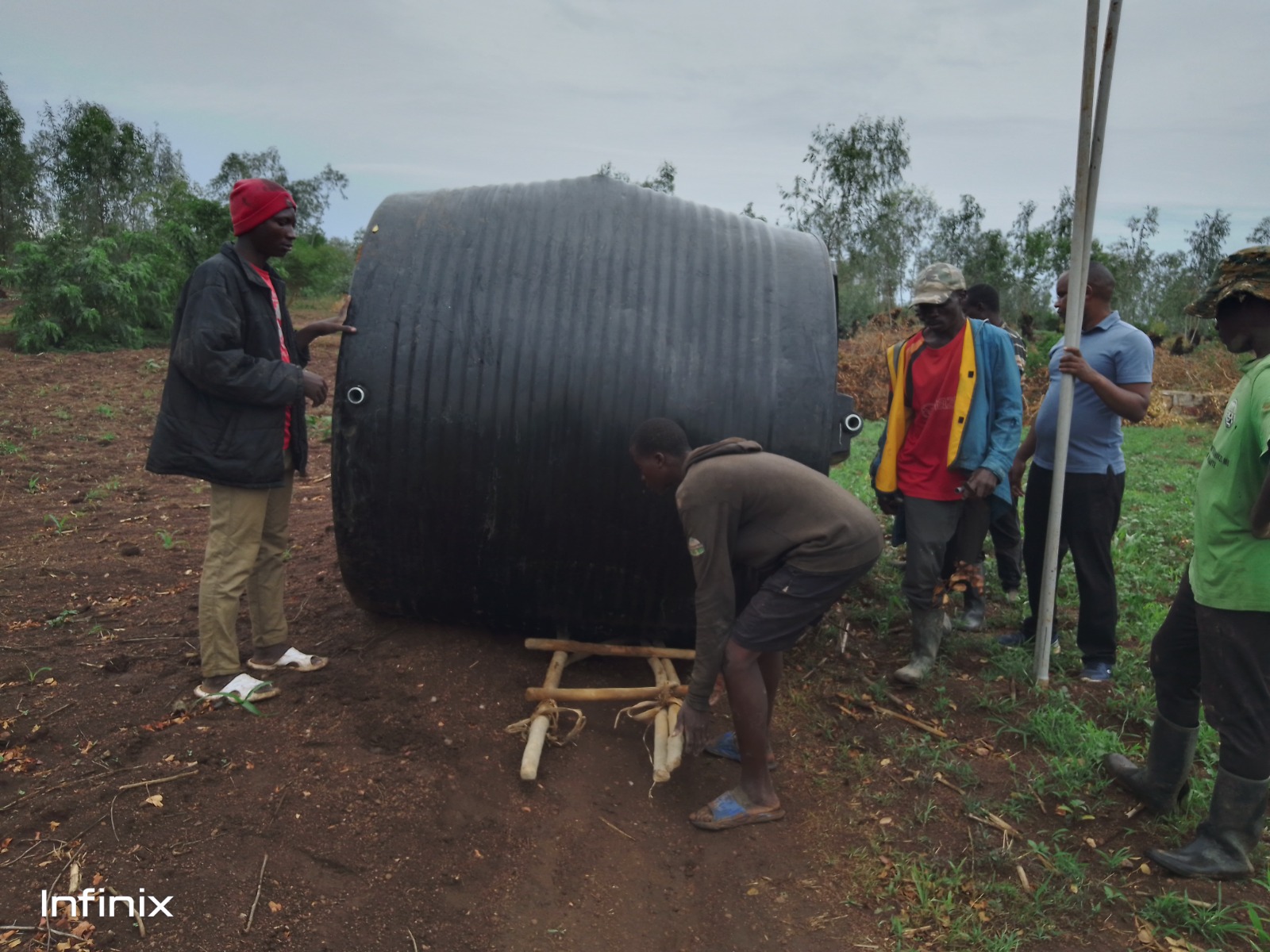
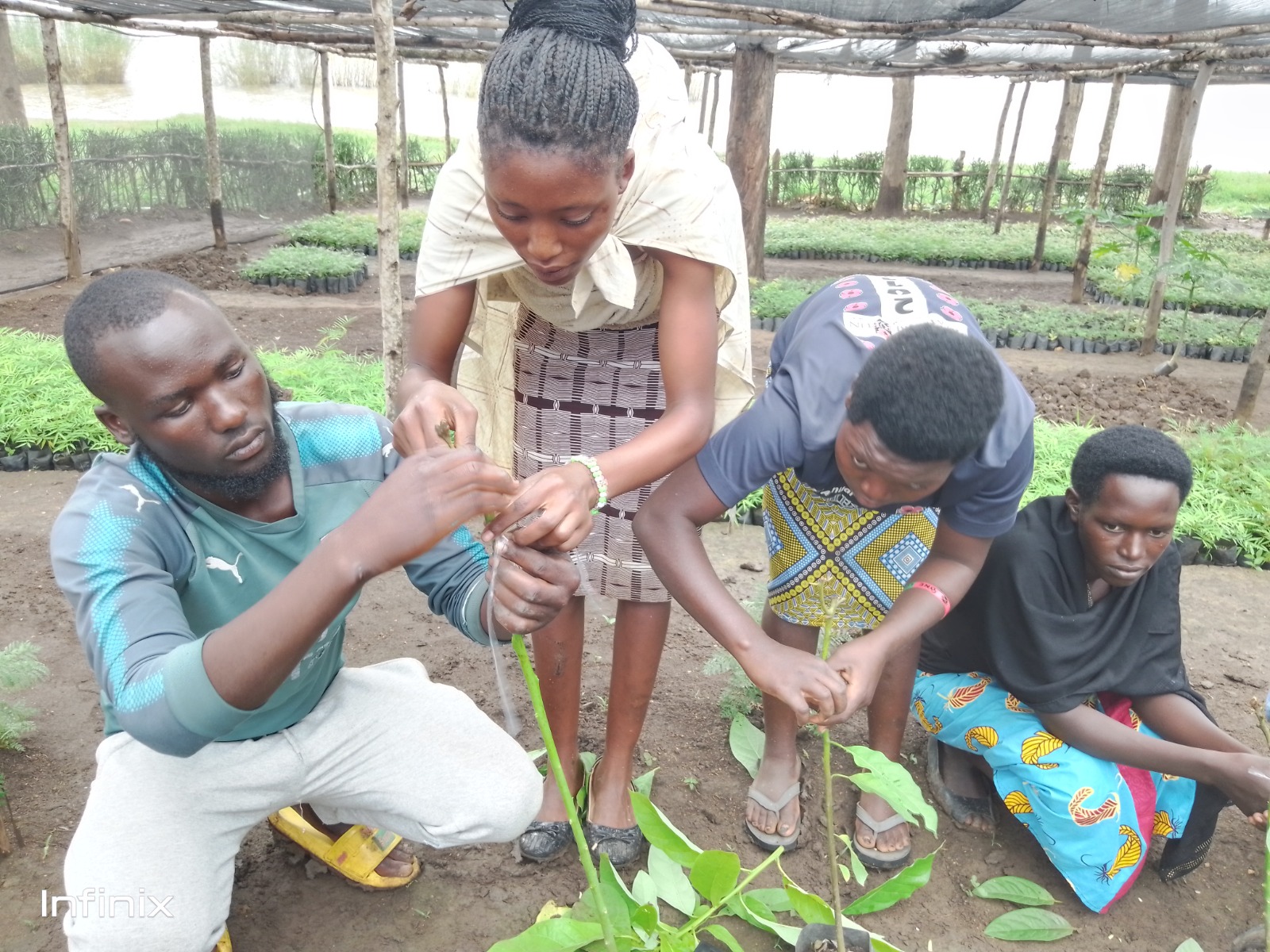
- Promoting practical, hands-on learning for environmental action
- Engaging youth, women, and community groups in sustainability education
- Linking education with climate resilience and sustainable livelihoods
- Promoting indigenous knowledge and local solutions
- Using digital tools and innovative learning methods to expand outreach
Objectives
- Increase environmental and climate change awareness
Improve understanding of climate change causes, impacts, and adaptation options while raising awareness on biodiversity conservation and ecosystem restoration. - Promote sustainable lifestyles and behavior change
Encourage sustainable consumption and production practices, waste reduction, recycling, energy efficiency, and water conservation. - Strengthen climate change adaptation and resilience knowledge
Build community capacity to anticipate and respond to climate risks and promote local and indigenous resilience solutions. - Integrate sustainability into community learning structures
Mainstream ESD into schools, TVETs, community learning centers, and informal education while supporting lifelong learning initiatives. - Empower youth, women, and vulnerable groups
Promote inclusive and gender-responsive education approaches and strengthen leadership skills for community-based environmental action. - Support sustainable livelihoods through skills development
Link education to green jobs, entrepreneurship, and income-generating activities in areas such as climate-smart agriculture, renewable energy, ecotourism, and conservation. - Strengthen community participation and ownership
Promote participatory learning, dialogue, and community-led planning for sustainable development. - Promote peace, values, and responsible citizenship
Foster values of responsibility, solidarity, respect for nature, ethical leadership, and sustainable governance. - Enhance use of digital and innovative learning tools
Promote ICT-enabled learning, media outreach, mobile platforms, and local language content for sustainability education.
Alignment
This program aligns with Rwanda’s national education, environment, and climate frameworks, including:
- Vision 2050
- National Strategy for Transformation (NST2)
- National Environment and Climate Change Policy
- Sustainable Development Goals (SDGs):
- SDG 4 – Quality Education
- SDG 13 – Climate Action
- SDG 5 – Gender Equality
- SDG 12 – Responsible Consumption and Production